Choosing the Right B2B Coconut Shell Charcoal Manufacturer: A Comprehensive Guide
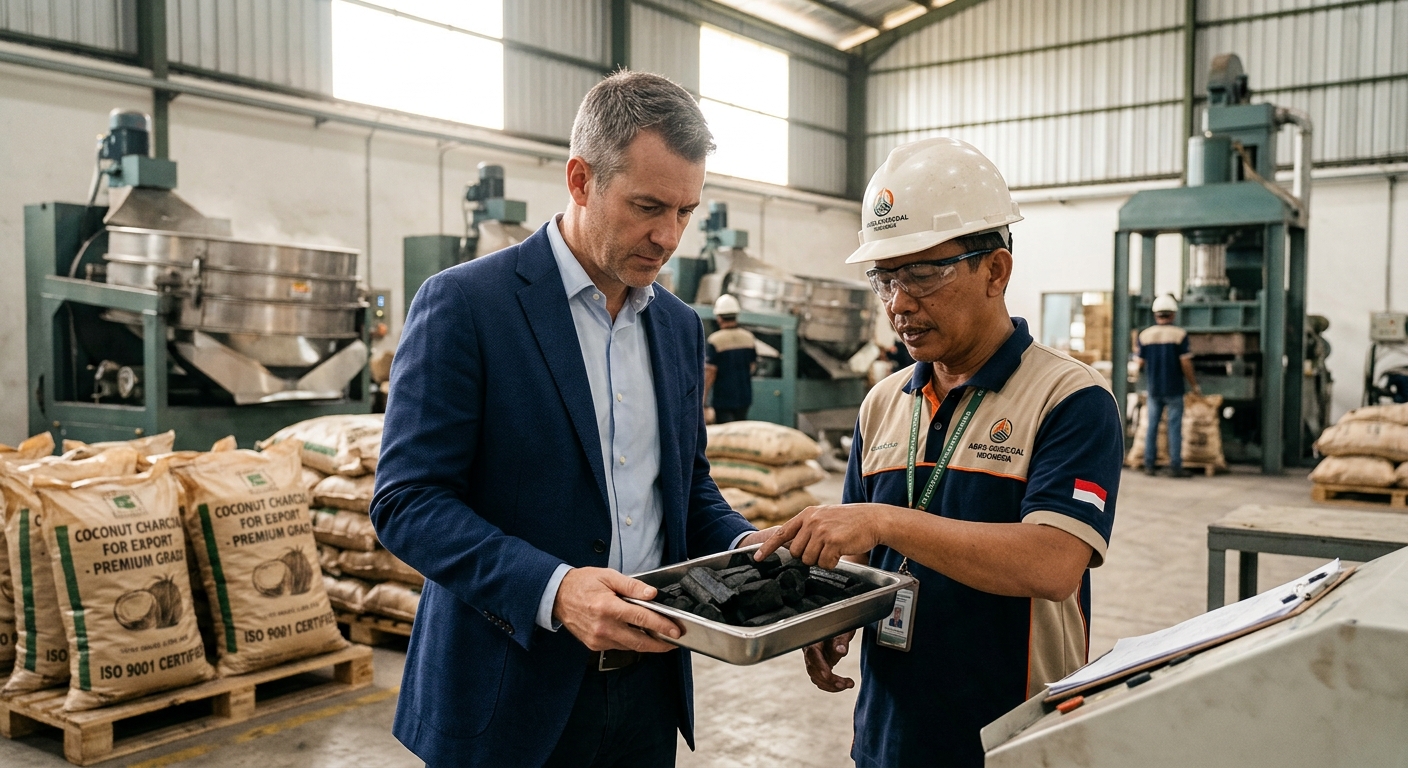
Introduction to the Coconut Shell Charcoal Industry
The global market for sustainable fuel sources has experienced unprecedented growth over the last decade, with coconut shell charcoal emerging as a premier choice for both industrial and recreational applications. As businesses worldwide shift toward eco-friendly alternatives, the demand for a reliable B2B coconut shell charcoal manufacturer has skyrocketed. This article serves as a comprehensive guide for wholesalers, distributors, and business owners looking to understand the intricacies of coconut shell charcoal production, the benefits of the product, and how to select the ideal manufacturing partner.
Coconut shell charcoal is widely recognized for its superior burning characteristics, minimal environmental impact, and versatility. Unlike traditional wood charcoal, it is produced from agricultural waste, meaning no trees are felled during its creation. This factor alone makes it highly attractive in today's environmentally conscious market. However, navigating the B2B landscape requires a deep understanding of manufacturing processes, quality metrics, and global supply chains.
Understanding Coconut Shell Charcoal
Coconut shell charcoal is a specialized carbonized product created by burning coconut shells in a controlled environment with limited oxygen. This process, known as pyrolysis, removes moisture and volatile compounds, leaving behind a high-carbon, energy-dense material. The resulting charcoal is then ground, mixed with a natural binder (such as tapioca starch), and pressed into briquettes of various shapes and sizes.
The applications for this premium charcoal are diverse. It is heavily utilized in the hookah (shisha) industry due to its odorless and tasteless burn, which preserves the flavor of the tobacco. Additionally, it is a favored fuel for high-end barbecues and professional kitchens because it burns hotter and longer than standard charcoal. Beyond culinary and recreational uses, coconut shell charcoal is also a critical raw material in the production of activated carbon, which is used extensively in water purification, air filtration, and medical treatments.
The Manufacturing Process: From Shell to Briquette
Partnering with a B2B coconut shell charcoal manufacturer requires an understanding of their production process, as this directly impacts the final product's quality. The process generally involves several key stages:
1. Sourcing and Collection
The process begins with the collection of mature, fully dried coconut shells. The quality of the raw material is paramount; shells must be free from excessive moisture, fibers, and impurities. Top-tier manufacturers establish strong relationships with local farmers to ensure a consistent and high-quality supply of raw shells.
2. Carbonization
The collected shells are placed in kilns and burned at high temperatures (typically between 500 and 900 degrees Celsius) in the absence of oxygen. This carbonization phase is critical. If the temperature is too low, the charcoal will retain volatile matter and produce excess smoke. If it is too high, the yield decreases, and the charcoal may turn to ash.
3. Crushing and Screening
Once carbonized, the charcoal is crushed into a fine powder. It is then passed through a series of screens to ensure a uniform particle size. This uniformity is essential for creating strong, dense briquettes that will not crack or crumble during transportation or use.
4. Mixing and Briquetting
The charcoal powder is mixed with a natural binder and water to form a cohesive paste. This mixture is fed into heavy-duty briquette presses, which extrude or mold the charcoal into specific shapes, such as cubes, flats, or hexagons. The pressure applied during this stage determines the density and burn time of the final product.
5. Drying and Packaging
The newly formed briquettes contain significant moisture and must be thoroughly dried in industrial ovens. Proper drying ensures the briquettes ignite easily and burn consistently. Finally, the finished products are cooled and packaged according to B2B client specifications, ranging from retail-ready boxes to bulk master cartons.
Key Quality Metrics to Look For
When evaluating a B2B coconut shell charcoal manufacturer, it is vital to request product specifications and independent laboratory test results. High-quality coconut charcoal should meet specific industry standards. Below is a table outlining the ideal specifications for premium coconut shell charcoal briquettes:
| Quality Metric | Ideal Range/Value | Impact on Performance |
|---|---|---|
| Fixed Carbon | 75% - 85% | Higher carbon means longer burn time and higher heat output. |
| Moisture Content | Under 5% | Low moisture ensures quick ignition and prevents cracking. |
| Ash Content | 1.5% - 3% | Low ash means less mess and better heat retention. White ash is preferred. |
| Volatile Matter | 10% - 15% | Lower volatile matter reduces smoke and unwanted odors during lighting. |
| Burn Time | 90 - 120 minutes | Essential for shisha and long BBQ sessions; indicates high density. |
| Drop Test | Less than 10% breakage | Ensures durability during international shipping and handling. |
Choosing the Right B2B Manufacturer
The success of your B2B wholesale operation heavily depends on the reliability and capability of your manufacturing partner. There are several critical factors to consider when making your selection.
First and foremost is production capacity. As your business scales, your manufacturer must be able to keep up with increasing order volumes without compromising on quality. It is advisable to inquire about their monthly output capacity and their ability to handle peak season demands.
Quality control protocols are another crucial element. A reputable B2B coconut shell charcoal manufacturer will have stringent quality assurance processes at every stage of production, from raw material inspection to pre-shipment testing. Request details about their internal testing procedures and whether they allow third-party inspections (such as SGS or Intertek) prior to container loading.
Sustainability and ethical labor practices are increasingly important to modern consumers. Ensure that the manufacturer sources their coconut shells responsibly and provides safe, fair working conditions for their employees. Certifications can be a good indicator of a company's commitment to these values.
Furthermore, sourcing location plays a massive role. Indonesia is widely regarded as the epicenter of premium coconut charcoal production due to its vast coconut plantations and established manufacturing infrastructure. For businesses looking to dive deep into importing from this region, reviewing an Indonesian Coconut Charcoal Briquettes Wholesale: The Ultimate B2B Sourcing Guide is absolutely essential for mastering the nuances of international trade, supplier vetting, and logistics.
Private Labeling and OEM Services
Many B2B buyers require Original Equipment Manufacturer (OEM) or private label services. This means the manufacturer produces the charcoal but packages it under the buyer's brand name. When discussing private label options with a manufacturer, pay attention to their packaging capabilities.
Can they produce inner boxes with full-color printing and custom finishes like embossing or UV spotting? Do they provide durable master cartons that can withstand long sea voyages? A manufacturer that offers comprehensive OEM services will typically have an in-house design team or dedicated packaging specialists to ensure your brand is represented perfectly on the retail shelf. Always request packaging samples alongside product samples before committing to a large order.
Logistics and International Shipping
Coconut shell charcoal is classified as a dangerous good (Class 4.2 - Substances liable to spontaneous combustion) under international maritime regulations, unless it passes a specific self-heating test (Vanning Certificate / SHT). Navigating these logistics requires an experienced manufacturer.
Your B2B partner should be fully versed in the documentation required for exporting charcoal, including Material Safety Data Sheets (MSDS), Certificates of Origin, and specialized shipping declarations. They should have established relationships with shipping lines that accept charcoal cargo, as not all carriers do. Understanding Incoterms (such as FOB, CIF, or EXW) and negotiating favorable shipping terms is vital to maintaining healthy profit margins.
The Future of the Coconut Charcoal Market
The future looks exceptionally bright for the coconut shell charcoal industry. As global crackdowns on deforestation intensify, traditional wood charcoal is facing stricter regulations and higher tariffs. Coconut charcoal offers a sustainable, highly efficient alternative that perfectly aligns with global ESG (Environmental, Social, and Governance) goals.
Innovation within the manufacturing sector is also driving market growth. Manufacturers are developing specialized blends, optimizing briquette shapes for specific airflow requirements in shisha pipes, and improving binder formulas to further reduce ash content. Businesses that secure strong B2B relationships with forward-thinking manufacturers now will be well-positioned to dominate the market in the coming years.
Conclusion
Partnering with a reliable B2B coconut shell charcoal manufacturer is a strategic move that can yield significant long-term benefits. By understanding the production process, prioritizing strict quality metrics, and carefully vetting potential partners, wholesalers and brands can secure a steady supply of premium, eco-friendly fuel. Whether you are supplying the high-end shisha market, the gourmet BBQ sector, or industrial operations, prioritizing transparency, consistency, and sustainability in your sourcing strategy will ultimately lead to a stronger brand and a more profitable enterprise.
FAQ
What makes coconut shell charcoal better than traditional wood charcoal?
Coconut shell charcoal is far denser than traditional wood charcoal, meaning it burns longer and hotter. It is also completely smokeless, odorless, and tasteless when fully lit, making it ideal for shisha and indoor grilling. Furthermore, it is a 100% sustainable product made from agricultural waste, whereas wood charcoal requires cutting down trees.
How can I verify the quality of a B2B manufacturer's charcoal?
You should always request a sample before placing a bulk order to conduct your own burn tests. Additionally, ask the manufacturer for an independent laboratory analysis detailing the fixed carbon, moisture content, ash content, and volatile matter. Hiring a third-party inspection agency to check the goods before shipping is also highly recommended.
What are the typical minimum order quantities (MOQs) for B2B wholesale?
Most B2B coconut shell charcoal manufacturers require a minimum order of one 20-foot shipping container, which holds approximately 18 to 19 metric tons of product. Some manufacturers may allow smaller initial trial orders, but purchasing by the full container is necessary to make international shipping costs economically viable.
Are there special shipping requirements for coconut charcoal?
Yes. Coconut charcoal can be classified as a hazardous material due to combustion risks. However, reputable manufacturers subject their charcoal to a Self-Heating Test. If the charcoal passes this test, it can be shipped as non-hazardous cargo, provided the manufacturer supplies the correct Vanning and MSDS certificates to the shipping line.