High Calorie Coconut Charcoal from Indonesia: The Ultimate Guide
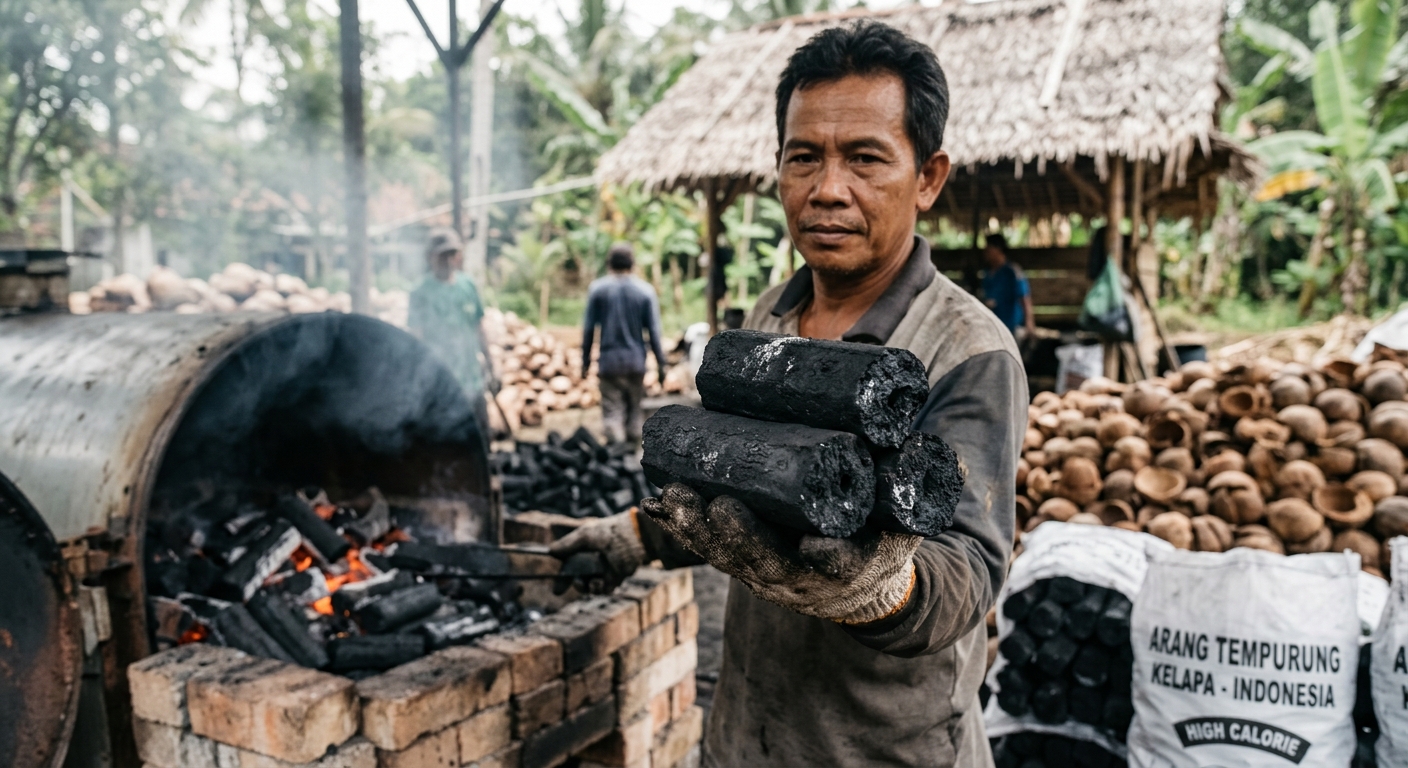
Introduction to High Calorie Coconut Charcoal
In the evolving global market of renewable energy and sustainable fuel sources, high calorie coconut charcoal from Indonesia has emerged as a premium product. Renowned for its exceptional heat output, long burning time, and minimal ash production, this eco-friendly alternative to traditional charcoal is transforming industries worldwide. Indonesia, with its vast archipelagos and abundant coconut plantations, is uniquely positioned to supply the world with this high-grade resource.
The Manufacturing Process of Coconut Charcoal
The journey of high calorie coconut charcoal begins with the careful selection of mature coconuts. The shells, often considered agricultural waste, are collected and undergo a rigorous process of carbonization. This involves heating the shells in an oxygen-limited environment, converting them into pure carbon.
Carbonization and Briquetting
After carbonization, the charcoal is crushed into a fine powder and mixed with a natural binder, typically tapioca starch. This mixture is then molded into briquettes of various shapes and sizes. The final step is drying, which ensures the moisture content is kept to a minimum, thereby maximizing the caloric value. The result is a dense, high-performing fuel source that burns hotter and longer than standard wood charcoal.
Why Indonesian Coconut Charcoal Stands Out
Indonesia's dominance in the coconut charcoal market is not merely due to quantity, but rather the superior quality of its product. The geographical and climatic conditions of Indonesia yield coconuts with exceptionally thick and dense shells. When carbonized, these shells produce charcoal with a very high caloric value, often exceeding 7,000 kcal/kg.
Key Benefits
- High Heat Output: Due to its high caloric value, it generates intense heat, making it ideal for industrial applications and premium grilling.
- Long Burn Time: The high density of the briquettes ensures a slow and consistent burn, reducing the frequency of refueling.
- Low Ash Content: High-quality Indonesian coconut charcoal produces less than 3% ash, making clean-up easier and minimizing environmental impact.
- Odorless and Smokeless: It burns cleanly, making it the preferred choice for indoor heating and shisha/hookah use.
For businesses looking to source this premium product, understanding the market dynamics is crucial. A comprehensive resource for buyers is the Indonesian Coconut Charcoal Briquettes Wholesale: The Ultimate B2B Sourcing Guide, which provides valuable insights into securing reliable suppliers and negotiating favorable terms.
Applications of High Calorie Coconut Charcoal
The versatility of high calorie coconut charcoal allows it to be utilized across various sectors. Its clean-burning properties and high energy density make it highly sought after.
Shisha and Hookah
Perhaps the most popular application is in the shisha and hookah industry. Enthusiasts demand charcoal that does not impart any flavor or odor to the tobacco, while providing consistent, long-lasting heat. Indonesian coconut charcoal fits this requirement perfectly. Wholesalers operating in this niche can benefit from understanding pricing structures, as detailed in the Premium Hookah Charcoal Factory Price: A Guide for Wholesalers.
Barbecue and Culinary Use
Professional chefs and barbecue aficionados prefer coconut charcoal because it provides a steady, high heat necessary for searing meats without the disruptive flare-ups associated with traditional briquettes. The low smoke output also ensures the pure flavor of the food is maintained.
Industrial and Metallurgical Applications
Beyond recreational and culinary uses, the high caloric value makes it suitable for industrial smelting and metallurgical processes where intense, reliable heat is required. Its low sulfur content also makes it an environmentally friendly option for these industries.
Quality Control and Specifications
When sourcing high calorie coconut charcoal from Indonesia, it is imperative to verify the product's specifications. Reputable manufacturers adhere to strict quality control measures to ensure consistency.
| Specification | Premium Grade Standard |
|---|---|
| Calorific Value | > 7,200 kcal/kg |
| Moisture Content | < 5% |
| Ash Content | < 2.5% |
| Volatile Matter | < 15% |
| Fixed Carbon | > 80% |
| Burn Time | 2.5 - 3 Hours |
Conclusion
High calorie coconut charcoal from Indonesia represents the pinnacle of sustainable, high-performance biomass fuel. Its superior heat output, longevity, and clean-burning characteristics make it an invaluable resource across multiple industries, from premium culinary applications to industrial processes. As global demand for eco-friendly and efficient energy sources continues to rise, Indonesia's position as a premier supplier of coconut charcoal is firmly established. By partnering with reputable manufacturers and understanding the product specifications, businesses can leverage this exceptional resource to meet their operational needs and consumer demands.
Frequently Asked Questions (FAQ)
What makes Indonesian coconut charcoal different from wood charcoal?
Indonesian coconut charcoal is much denser and has a higher caloric value than most wood charcoals. It burns hotter, lasts longer, and produces significantly less smoke and ash, making it a cleaner and more efficient fuel source.
Is coconut charcoal environmentally friendly?
Yes, it is highly sustainable. It is made from coconut shells, which are a byproduct of the copra and coconut oil industries. Utilizing these shells prevents agricultural waste and does not require cutting down trees, unlike traditional wood charcoal production.
How long does a typical coconut charcoal briquette burn?
Depending on the size and exact composition, a premium high-calorie coconut charcoal briquette can burn consistently for 2.5 to 3 hours, which is considerably longer than standard charcoal briquettes.