How to Store Hookah Charcoal Properly
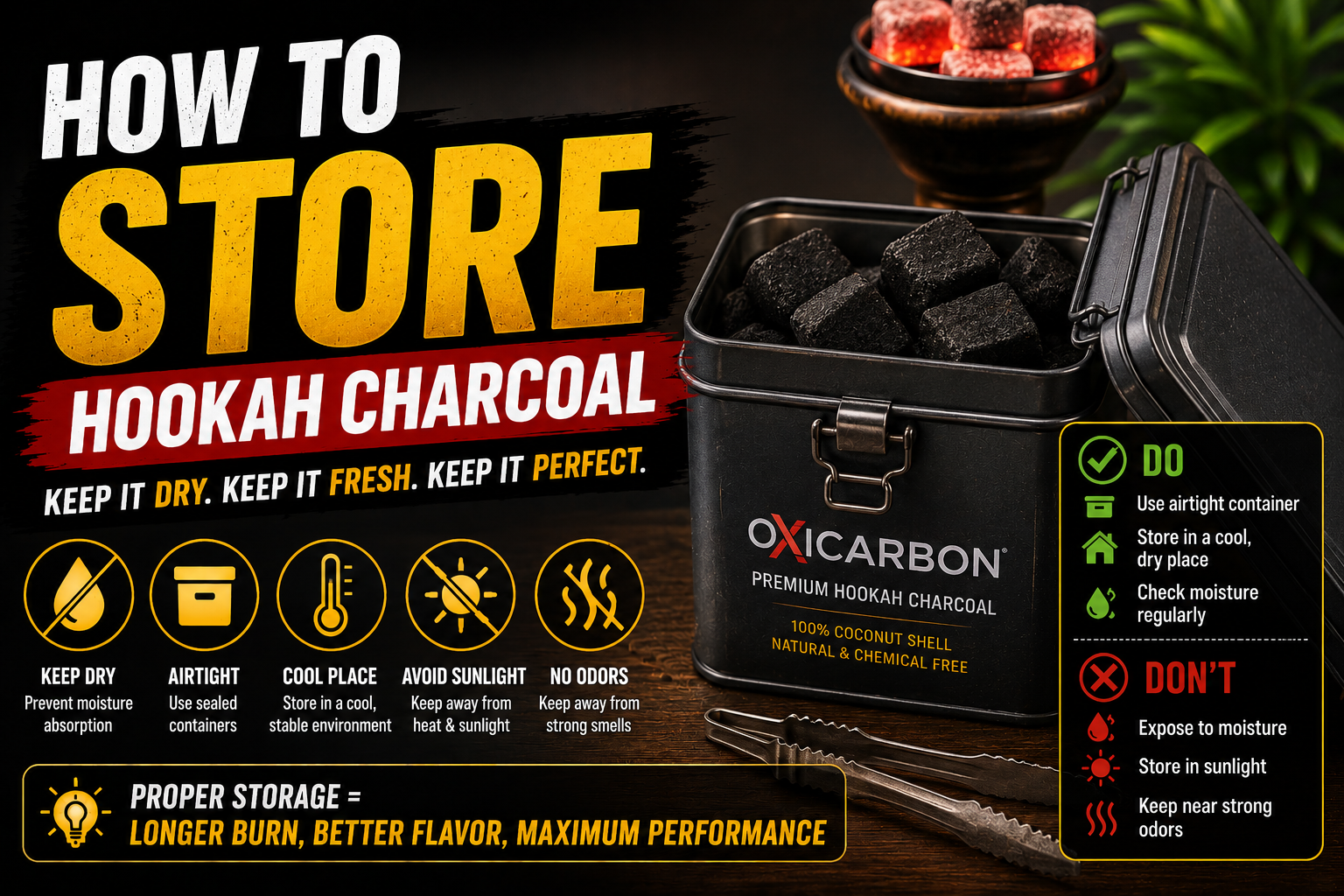
How to Store Hookah Charcoal Properly
"Quality is never an accident; it is always the result of intelligent effort." – John Ruskin's timeless words ring especially true for hookah enthusiasts. Proper preservation techniques are the intelligent effort that keeps your sessions consistent, saves money, and protects the flavor of your shisha.
Every hookah lover in Germany faces a common challenge: maintaining coal quality over time. Moisture is the primary enemy of good coals; when charcoal absorbs humidity from the air, it becomes harder to light, produces uneven heat, and can negatively affect the overall hookah experience.
The good news? Protecting your investment doesn't require complicated solutions. With the right knowledge about keeping coals dry and well-preserved, you can ensure every session delivers the premium experience you expect. Jump to the quick checklist below for an at-a-glance setup to get started immediately.

This guide will walk you through proven preservation methods tailored for Germany's climate. You'll learn about optimal conditions, container selection, and specific techniques for premium coconut varieties popular in Deutschland. Whether you're a casual user storing a small pack or a lounge operator managing bulk hookah charcoal supplies, these practical strategies will keep your product performing at its best.
Key Takeaways
- Moisture exposure ruins coal quality and makes lighting difficult
- Proper preservation extends product life and saves money long-term
- Airtight containers provide the best protection against humidity
- Coconut coals require specific care different from quick-light varieties
- Germany's climate presents unique preservation challenges to address
- Simple daily habits prevent costly coal degradation
Why Proper Hookah Charcoal Storage Matters
Many hookah fans underestimate how much storage affects session quality. The right storage keeps heat consistent and flavor clean; neglected storage leads to harsh smoke, wasted charcoal, and a worse overall hookah experience.
In Germany, where many users prefer high-quality coconut charcoal, improper storage is a common cause of poor performance, added expense, and avoidable safety risks. Proper hookah coal preservation stops those problems before they start.
Impact on Burn Quality and Smoking Experience
The condition of your charcoal directly affects how your hookah performs. Moisture and air exposure change the charcoal’s internal structure, which makes heat uneven and ruins the balance of your tobacco flavor.
Moisture-damaged charcoal commonly causes:
- Uneven heating that produces harsher smoke
- Excess ash falling into the tobacco bowl
- Coals that burn out faster and require frequent replacement
- Difficulty achieving the proper ignition temperature
- Off-odors or strange flavors in the smoke
Fresh, well-stored charcoal burns evenly and holds a steady heat, letting you control the session and enjoy fuller tobacco flavor and thicker clouds. Professional lounges rely on strict storage routines for this reason — home setups benefit from the same attention.

The secret to a great session isn't only premium tobacco or expensive bowls — it starts with properly stored charcoal that performs as intended.
Bad charcoal shortens sessions, increases hassle, and wastes tobacco because you chase heat and flavor rather than relax. Keeping hookah coals fresh through correct storage fixes all of that.
Cost Efficiency and Charcoal Preservation
Premium coconut charcoal is an investment. A typical retail box in Germany ranges roughly €15–€25 (varies by brand and size). Letting charcoal degrade is effectively throwing money away.
Quick example: if poor storage causes you to waste €20 of charcoal over a year, a quality airtight container costing €10 pays for itself after preventing just one wasted box. For regular users, proper storage often saves tens to hundreds of euros a year compared with repeated waste.
Good storage containers cost a fraction of the replacement cost—spending €5–€15 on a reliable container typically protects months of charcoal and preserves your sessions.
Safety and Fire Hazard Prevention
Safety is another reason to store charcoal correctly. While well-made natural charcoal is stable in normal storage, moisture and degradation can change how pieces behave when heated. Improperly stored or crumbling charcoal increases the chance of sparks or fragments that could ignite nearby flammable material.
Quick-light charcoals contain accelerants; when their coatings degrade from air or moisture, lighting behavior can become unpredictable. To avoid hazards, follow manufacturer storage guidance, keep charcoal in sealed containers, and treat charcoal like any other combustible household item (store away from heat sources and open flames).
Spending a few minutes to transfer coals into the right container and adding desiccant packets not only preserves quality but also reduces fire and handling risks — protecting both your home and your session experience.
If you want a quick action step, check the storage checklist in this guide to set up an airtight container and desiccant in under five minutes.
Understanding Different Types of Hookah Charcoal and Their Storage Needs
Hookah charcoal comes in several types, and each requires a slightly different storage approach. Identifying whether you have natural coconut coals or quick-light briquettes will help you pick the right container, desiccant strategy, and location so your coals perform reliably.
Natural coconut charcoal is prized for clean burn and low ash because it’s made from coconut shells without added accelerants. Quick-light charcoal, by contrast, has chemical coatings to make ignition easier — which changes both how it behaves and how you should store it.
Before you begin long-term storage, note the charcoal type on the package. That single step lets you apply a targeted, science-based preservation system that protects flavor, heat stability, and lifespan.

Natural Coconut Charcoal Properties and Sensitivity
Natural coconut charcoal is a premium choice for shisha enthusiasts because it’s mostly carbon, produces very little ash, and gives a clean flavor. That porous structure, however, also makes it highly absorbent: moisture and ambient odors can get into the pores and damage the product.
Because of that porosity, natural coals are very sensitive to humidity and airborne contamination. Store them airtight with desiccant packets and away from strong-smelling substances to protect flavor and performance.
Quick-Light Charcoal Composition and Requirements
Quick-light coals include accelerants or coatings that make lighting easier without a burner. Those coatings provide some moisture resistance, but they degrade over time if exposed to air and humidity.
For quick-light products, the storage priority is protecting the chemical coating from oxidation and moisture. A well-sealed container is essential; desiccants help but the main goal is minimizing air exchange to preserve ignition reliability.
Keep quick-light varieties separate from natural coconut coals to avoid chemical cross-contamination that can affect flavor and burn behavior.
Premium Coconut Hookah Coals Available in Germany
Germany offers many premium coconut coals from brands like Cocobrico, Tom Cococha, and Blackcoco's, as well as regional and boutique options. Each product has different cube sizes and burn characteristics, so check packaging for manufacturer storage recommendations.
Many premium brands emphasize sustainability and clear sourcing information on their packaging; look for those labels when buying. If you're curious about manufacturing origins and how briquettes are made, see manufacturer resources such as a shisha briquette manufacturer for production context (link recommended in full article).
When you buy, note any storage advice printed on the box — manufacturers often list ideal storage conditions or shelf life in years. These manufacturer notes are the best starting point for your storage plan.
Why Natural Charcoal Requires More Careful Storage
Natural coconut charcoal’s advantages — low ash and clean flavor — come from its porous, high-carbon structure. Those same pores make it prone to absorbing moisture and odors, which permanently harm burn qualities and taste.
Small amounts of humidity can degrade natural coals from the inside out, and contamination can introduce off-flavors that ruin a session. That’s why natural coals should be stored in airtight containers (see Selecting the Right Storage Containers) with desiccants and kept separate from other household chemicals or flavored products.
| Charcoal TypePrimary Storage ConcernMoisture SensitivityRecommended Container Type | |||
| Natural Coconut | Moisture absorption and contamination | Very High | Airtight with desiccant packets |
| Quick-Light | Accelerant degradation | Moderate | Sealed container, minimize air exchange |
| Premium Coconut Cubes | Comprehensive environmental protection | Very High | Multi-layer airtight system (inner container + outer bin) |
| Standard Compressed | General moisture and contamination | High | Basic airtight container |
The Four Main Threats to Hookah Charcoal Quality
Four primary threats start degrading your charcoal the moment it enters your home. Understanding these dangers lets you choose the right storage, containers, and routines so your coals keep performing and your sessions stay consistent.
Germany’s variable climate — seasonal humidity swings and temperature changes — makes these threats especially relevant. Use the mitigation tips below and follow linked sections on containers and advanced moisture control for practical fixes.
Moisture and Humidity Damage
Moisture is the single biggest enemy of hookah coals. Charcoal’s pores absorb water from humid air, which alters density and internal structure and makes pieces harder to light and prone to uneven burning.
Effects to watch for: swelling, reduced ignition reliability, longer lighting time, and in prolonged cases mold growth. If you’re in a high-humidity area or storing long-term, prioritize airtight containers and desiccants (see Selecting the Right Storage Containers and Advanced Moisture Prevention Techniques).
Air Exposure and Chemical Degradation
Exposure to air causes slow chemical changes in charcoal — oxidation that degrades burn quality and, for quick-light products, can wear away accelerant coatings. Minimizing air exchange is essential to preserve ignition properties and clean burning.
Practical step: transfer charcoal to sealed containers promptly and avoid partially open bags; replace or add desiccant packs as needed to reduce internal air moisture and slow degradation.
Temperature Extremes and Fluctuations
Both high heat and cold hurt charcoal. Excessive heat accelerates chemical reactions and moisture loss; cold can make pieces brittle and prone to crumbling. Rapid temperature swings also cause condensation, which reintroduces moisture and the cycle of damage.
Keep your storage in a stable-temperature room (avoid attics, garages, or directly on cold exterior walls) and use insulated or double-container setups in areas with large seasonal swings.
Contamination from External Odors and Substances
Charcoal’s porous nature makes it an odor sponge. Household chemicals, paint fumes, cooking smells, and solvents can be absorbed and later affect smoke flavor. Even low-level contamination can ruin the taste of your tobacco.
Store coals away from kitchens, bathrooms, and chemical storage. Use airtight, odor-resistant containers (glass or high-quality metal) and keep charcoal at least a sensible distance from strong-smelling products.
| Threat TypePrimary DamageGermany-Specific Risk LevelProtection Priority | |||
| Moisture and Humidity | Swelling, poor ignition, mold growth | High (autumn/spring) | Critical — airtight + desiccant |
| Air Exposure | Oxidation, chemical degradation | Moderate (constant concern) | High — minimize air exchange |
| Temperature Fluctuations | Structural cracks, condensation | High (seasonal transitions) | High — stable room temp & insulation |
| Odor Contamination | Flavor transfer, smoke quality loss | Moderate (household dependent) | Moderate — odor-proof containers |
Quick action checklist (Do / Don’t): Do use airtight containers and desiccants; do store inland in stable rooms at 15–25°C; don’t keep charcoal on cold floors or near kitchens/bathrooms; don’t mix quick-light and natural coals in the same container. For specific container recommendations and advanced humidity controls, see the Selecting the Right Storage Containers and Advanced Moisture Prevention Techniques sections.
Selecting the Right Storage Containers for Your Charcoal
Choosing the right container for hookah charcoal is one of the simplest ways to protect quality. The best containers keep moisture and air out, stabilize conditions, and let your coals deliver steady heat session after session.
Know what to look for before you buy. Good storage options share the same protective features, whether you choose affordable plastic, premium glass, or heavy-duty metal. Match the container to your usage, storage location, and charcoal type.
Essential Features for Maximum Protection
Airtight performance is non-negotiable. The seal is the most important part of any container—without a tight seal, oxygen and humidity degrade charcoal over time.
Complete seal capability means the lid fits with no gaps. Test a container’s seal by closing it, pressing down, and listening/feeling for resistance; a good seal resists pressure and holds up during temperature changes.
Look for strong moisture-barrier properties: non-porous materials and solid construction that resist flexing. Avoid thin containers that can flex and leak during seasonal temperature swings.
Size matters. Pick a container that holds your charcoal with minimal empty space. Excess air inside increases the chance of moisture and oxidation; aim to fill containers so only a small air gap remains.
Durability counts for long-term protection—choose lids and latch mechanisms that resist wear so the seal remains reliable over years of use.
Plastic Solutions with Superior Sealing
Food-grade plastic containers with gasket seals are an economical, effective option. They’re lightweight, often transparent, and widely available through retailers like IKEA and Amazon.de.
Plastic pros: lightweight, stackable, visible contents, affordable. Cons: some plastics may absorb odors over many years.
Look for models with silicone gaskets and strong clip locks; these provide consistent sealing for everyday storage needs. For small to medium home use, a 2–3 liter gasketed container typically covers 1kg of coconut coals with minimal empty space.
Glass Containers for Premium Protection
Glass jars with rubber-sealed lids offer the best odor resistance and chemical inertness—glass won’t absorb smells or react with charcoal. For long-term storage of premium natural coals, glass is a top choice.
Mason-style jars, Kilner wire-bail jars, and Weck jars are commonly used—sizes from 500ml to 2 liters fit a range of quantities. The trade-offs are weight and fragility: glass is ideal for visible, odor-free storage but requires careful handling.
Metal Options for Durability
Metal tins (especially stainless or powder-coated) provide excellent moisture barriers and mechanical protection. Specialty tea tins and purpose-built storage tins with rubber gaskets combine durability with airtight performance.
Repurposed coffee tins can work short-term, but choose stainless or coated interiors to avoid rust in humid environments. Metal is a good choice for heavy-duty use or transport where impact resistance matters.
| Container TypeMoisture ProtectionOdor ResistanceDurabilityPrice Range (Germany) | ||||
| Plastic with Gasket Seals | Excellent when new, good long-term | Moderate - may absorb odors over time | Good - impact resistant | €8-€15 for 2-3L capacity |
| Glass with Rubber Seals | Excellent - completely impermeable | Excellent - no odor absorption | Fragile - breaks if dropped | €5-€20 depending on brand |
| Metal Tins (Stainless) | Very good - blocks moisture well | Excellent - no chemical interaction | Excellent - impact resistant | €10-€30 for quality options |
| Metal with Gasket Seals | Excellent - superior barrier properties | Excellent - complete isolation | Excellent - long-lasting construction | €15-€35 for premium models |
Balance protection with practicality: small collections often do best with stackable plastic; premium, infrequently accessed coals benefit from glass; heavy-duty or transport needs call for metal. Wherever you store coals, test the seal before buying—press the lid and check for resistance to confirm airtight performance.
For sourcing and supply-chain context (production methods and raw material origins), you can review additional resources on global shisha charcoal production. When you’re ready to set up containers, see the step-by-step container checklist further in this guide.
How to Store Hookah Charcoal: Complete Step-by-Step Guide
Understanding the main threats to charcoal quality makes storing it straightforward. Follow these practical steps to keep your premium coconut coals in top shape — protecting flavor, ensuring consistent heat, and extending product life.
Good storage ensures charcoal lights reliably and burns evenly. These four core steps—inspect, prepare, transfer, and protect—are a simple method you can complete in minutes and maintain over time.
Inspect Your Charcoal Upon Purchase
Check the package before you bring coals home. Look for tears, crushed pieces, damp spots, or an off smell that suggests exposure to moisture or contamination.
Quick inspection checklist: color (dark, even tone), texture (firm, not dusty), package integrity (no rips or punctures). If pieces feel soft or you see moisture, return or avoid buying the product.
Pro tip from professional hookah managers: mark the purchase date on the original packaging to track freshness and ensure first-in-first-out usage.
Recording the date gives you a baseline for later checks and supports good stock management.
Prepare Your Storage Container
Start with a clean, dry container that won’t introduce odors. Wash new containers with mild dish soap and warm water, rinse thoroughly, and let them air-dry completely (recommended drying times are below).
Check seals and gaskets for defects before use. Replace damaged gaskets or lids to avoid trapped air and moisture.
| Container TypePreparation MethodDrying TimeSeal Verification | |||
| Food-Grade Plastic | Warm soapy water, thorough rinse | 24 hours air dry | Press gasket test, no gaps |
| Glass Jar | Dishwasher safe or hand wash | 12-24 hours completely dry | Rubber seal inspection, snap closure |
| Metal Tin | Hand wash only, dry immediately | 6-12 hours, prevent rust | Lid fit test, no light gaps |
| Specialized Storage Bin | Manufacturer instructions, mild cleaner | 24-48 hours full cure | Latch mechanism check, pressure test |
Transfer Charcoal from Original Packaging
Most retail bags and boxes are for transport and display, not long-term storage. Gently transfer coals into your prepared container using a clean scoop or paper-lined surface to avoid contamination and breakage.
Work slowly to avoid crushing pieces and creating dust. Transfer in a dry area away from kitchens or bathrooms to minimize odor and humidity pickup.
Note: If you want background on where many coconut coals originate or manufacturing methods, see industry resources on shisha charcoal in Indonesia (link recommended for the full article).
If you bought in bulk, divide coals into multiple containers to reduce repeated air exposure each time you open one container.
Add Moisture Prevention Materials
Add desiccant packets (silica gel) to control humidity inside the container. Food-grade silica gel is safest to handle, though standard packets work for non-food charcoal storage.
Guideline dosage: roughly 10–20 grams of desiccant per kilogram of charcoal (or follow the supplier’s recommendations). For 1 kg, 2–4 small packets is a useful rule of thumb.
Place packets on top of the coals or in a small pouch to keep them easy to remove and replace. Use color-indicating silica gel if you want a visual cue for replacement; otherwise plan to refresh non-indicating packets every 2–3 months in humid seasons.
- Indicating silica gel shows saturation via color change — easy to monitor
- Non-indicating silica gel should be replaced periodically (frequency depends on humidity)
- Reusable silica gel can be reactivated by heating per manufacturer instructions
- Safety note: keep desiccant packets away from children and pets
Seal the container after adding desiccants. Label it with the storage date so you rotate older coals first and track how long they’ve been stored.
Small maintenance: check containers monthly for seal integrity and desiccant condition, especially in spring and autumn when humidity in Germany tends to rise.
Choosing the Best Storage Location in Your Home
The right container only does half the job—where you place that container matters just as much. Temperature, humidity, and air quality all affect charcoal performance, so pick a storage room and spot that minimizes those risks.
Homes in Germany vary from compact apartments to large houses, so choose a location that balances easy access with stable environmental conditions.
Ideal Indoor Storage Environments
Charcoal stores best in stable, climate-controlled spaces. Aim for a consistent temperature between 15–25°C and relative humidity below 60% where possible—these conditions help preserve heat characteristics and prevent moisture uptake.
Consistency matters more than exact numbers: avoid spots with big daily swings in temperature. Keep containers out of direct sunlight (UV can accelerate degradation) and away from strong smells; charcoal absorbs odors, so store it away from spices, cleaning products, or solvents.
Pantry and Closet Storage Solutions
Interior closets or pantry shelves away from exterior walls are often the best choice in apartments. These areas usually have stable temperatures and lower humidity than basements or exterior-facing cabinets.
Store containers at mid-height on a dedicated shelf to avoid floor-level condensation and ceiling heat accumulation. Mid-level placement also makes access easier and reduces the chance of knocks or drops.
- Avoid floor-level placement: cold air and condensation collect near floors
- Avoid high shelves near heat sources: heat rises and can dry or stress the coals
- Prefer a stable interior cabinet: less exposure to exterior temperature swings
Unused cabinets in guest rooms, home offices, or living rooms often work well in small apartments—just ensure the space is dry and free from strong odors.
Basement and Garage Storage Considerations
Basements and cellars can be problematic because humidity often exceeds 70%, which will damage coconut coals without protective measures. If you must use a basement, employ the double-container method with desiccants and monitor conditions with a hygrometer monthly.
Modern, ventilated basements with active dehumidifiers can work as long as humidity stays consistently below ~60%.
Garages typically suffer from large temperature swings and vehicle fumes; both are bad for charcoal. If storing there temporarily, use heavy-duty sealed containers and keep them well away from vehicles or chemical storage.
Locations You Must Avoid
Some places are poor storage choices regardless of container quality:
- Bathrooms and laundry rooms — frequent humidity spikes from showers and washing machines
- Kitchen cabinets near stoves — heat and food odors contaminate coals
- Under-sink areas — plumbing leaks and damp air
- Attics and uninsulated exterior walls — extreme temperature swings and condensation
- Chemical storage zones — volatile compounds and strong odors
Follow these best practices for storage placement: treat charcoal like specialty dry goods (if it’s not good for coffee or tea, it’s not good for charcoal), use a hygrometer to check the room, and avoid any place with frequent temperature or humidity changes.
Advanced Moisture Prevention Techniques
Germany’s seasonal humidity swings mean airtight containers alone aren’t always enough. Layering moisture-control methods gives redundant protection for long-term storage and during humid months — especially if you store premium coconut coals for several months at a time.
The techniques below build on basic storage practices and add extra barriers so your charcoal keeps its heat, flavor, and structural integrity longer.
Silica Gel Packets for Maximum Dryness
Desiccant packets are the simplest, most cost-effective way to control humidity inside a container. Silica gel is reusable and among the most reliable household desiccants, and many packs are food-grade for safer handling.
Rule of thumb: use roughly 10–20 grams of silica gel per liter of container volume — for example, a 5-liter bin would need about 50–100 grams. This is a practical guideline; follow the desiccant manufacturer’s instructions for precise dosing.
Color-indicating silica gel shows when it’s saturated, making maintenance easy. Non-indicating packets should be checked and replaced every 2–3 months in high-humidity seasons. Reusable silica gel can be reactivated in an oven per the product’s recommended temperature and time — always follow the supplier’s instructions for safety.
Dedicated Humidity-Controlled Storage Spaces
For larger collections, create a humidity-controlled storage zone. Use a large sealed outer bin to hold smaller sealed containers and add oversized desiccant bags in the outer space. This reduces the number of times the inner containers are exposed to air when you access them.
Small electric dehumidifiers (available from German retailers such as OBI, Bauhaus, and Hornbach) turn closets into reliable dry storage. Basic units usually cost in the €30–€60 range and are suitable for single closets or pantry spaces.
For a semi-permanent solution, line cabinet shelves with moisture-resistant materials and install rechargeable desiccant units or a compact dehumidifier for continuous control.
Double-Container Method for Redundant Protection
Nesting containers creates a secondary barrier against moisture and odors. Store charcoal in a sealed inner container, then place that inside a larger airtight bin with additional desiccant. This redundancy is especially valuable in coastal or poorly ventilated apartments.
How to set it up: place the charcoal in the inner airtight container with small silica packets, close it, then place it inside a larger bin. Add larger desiccant bags between the inner and outer containers. Check the outer desiccant monthly and replace as needed.
This double-container method can significantly extend shelf life (estimates of 12–18 months under good conditions), though exact results depend on ambient climate and container quality.
Precision Monitoring with Digital Hygrometers
Don’t guess — monitor. A small digital hygrometer gives exact humidity readings so you can act before problems start. Reliable, inexpensive models from brands like TFA Dostmann, ThermoPro, or Inkbird are widely available in Germany for roughly €10–€25.
Place hygrometers at the same height as your stored charcoal and avoid walls or floors for accurate readings. For in-container monitoring, choose models with external displays or sensor probes.
A target humidity range of 30–50% is a practical sweet spot for preserving coconut coals; if readings consistently exceed 60%, add more desiccant or improve your seals. Readings below ~25% indicate excessive dryness and wasted desiccant resources.
| Moisture Prevention MethodEffectivenessApprox. Cost (Germany)Best Application | |||
| Silica Gel Packets | High - localized moisture control | €8-€15 / kg (reusable) | Individual containers & small collections |
| Electric Dehumidifiers | Very High - room-level control | €30-€60 initial | Closets and dedicated storage rooms |
| Double-Container System | Very High - redundant barrier | €20-€40 for nested sets | Long-term storage & high-humidity areas |
| Digital Hygrometers | Essential for monitoring | €10-€25 | All storage setups requiring precision |
Combine methods for best results: start with a quality airtight container, add silica gel, monitor with a hygrometer, and use the double-container method or a dehumidifier in high-humidity situations. Small upfront costs for desiccants and monitoring devices prevent wasted product and extend the life of your coals.
Storing Coconut Charcoal in Germany's Variable Climate
Germany’s weather varies regionally and seasonally, so storage strategies must adapt. Temperature swings, humidity changes, and condensation risk all influence how long your coals stay fresh — choose storage tactics that match your local climate and housing type.
If you’re unsure about local conditions, a small hygrometer in your storage room will tell you whether you need extra protection.
Managing Germany's High Humidity Seasons
Spring and autumn are often the most challenging seasons for charcoal storage because relative humidity can rise significantly. In these months, add redundancy: increase desiccant amounts and check packets more frequently.
Practical steps: double the number of silica gel packets during humid spells, inspect indicating desiccants weekly, and place containers off the floor (keep them at least 12 inches / ~30 cm up) to avoid floor-level moisture and dampness common in basements and ground-floor rooms.
Winter Storage: Dealing with Indoor Heating and Condensation
Indoor heating in winter usually lowers humidity but can create condensation near cold exterior walls and windows. Avoid placing containers directly against exterior walls — the condensation zone can extend roughly 18 inches (about 45 cm) from those surfaces.
If your storage room feels very dry from heating, watch for brittle coals; in that case reduce desiccant usage or move containers to a slightly cooler, less heated room.
Summer Storage: Heat and Moisture Challenges
Hot, humid summers speed up degradation. Temperatures above ~30°C plus high humidity shorten charcoal life. Avoid attics and top-floor rooms that trap heat; these areas can be 5–10°C warmer than lower floors.
During heatwaves, move containers to cooler, north-facing rooms or ventilated basements (if humidity is controlled). Many german hookah charcoal brands recommend keeping storage under 25°C for optimal longevity.
Best Practices for German Apartments and Homes
Modern apartments with central heating often offer stable storage conditions — use interior closets or pantry shelves away from exterior walls. In older or poorly insulated buildings, check coals monthly for signs of moisture or heat stress and be ready to adjust placement.
For shared housing or small spaces, use compact, airtight containers and stack vertically to minimize temperature variation across batches. If you have a basement, consider a seasonal rotation: use the basement in summer (if ventilated) and move supplies upstairs in spring and autumn to avoid humid transition periods. This rotation strategy helps manage seasonal risks across the years.
Common Hookah Charcoal Storage Mistakes and How to Avoid Them
Many hookah users unintentionally reduce charcoal quality through a few simple storage errors. These mistakes turn premium charcoal into unreliable fuel that burns unevenly, produces off-flavors, or won’t light properly. Spotting and fixing these issues preserves product performance and improves every session.
Below are the most common errors and fast fixes so you can protect your stock and avoid wasted coals.
Original Packaging Problems
Mistake: leaving charcoal in its retail bag or box. Most manufacturer packaging is designed for transport and display, not long-term storage—cardboard absorbs moisture and plastic pouches develop tiny holes or imperfect seals over time.
Fix: transfer coals to an airtight container within 48 hours of purchase. Label the container with the purchase date to support first-in-first-out rotation. This is especially important for storing natural hookah coals, which are more sensitive to humidity and can degrade quickly in poor packaging (depending on local humidity).
Kitchen and Bathroom Proximity Issues
Mistake: storing near kitchens or bathrooms. Cooking aromas (onion, garlic, spices) and steam from showers easily penetrate porous charcoal and alter smoke flavor. Brief humidity spikes from dishwashing or showers can also begin the moisture-absorption process.
Fix: keep charcoal in a dry pantry, closet, or bedroom cabinet—anywhere away from frequent steam, cooking, or strong odors. If space is limited, use airtight containers with desiccants and check them regularly.
Cold Surface Placement Concerns
Mistake: placing containers directly on cold floors or against exterior walls. Condensation forms where warm indoor air meets cold surfaces, creating persistent moisture problems that compromise coals—this is common in older German buildings and basements.
Fix: elevate containers at least 12 inches (30 cm) off the floor and position them away from exterior walls. Use shelving or pallets and choose interior cabinets when possible to minimize temperature differentials.
Mixing Charcoal Varieties
Mistake: storing different types or ages of charcoal together. Mixing natural coconut coals with quick-light briquettes risks cross-contamination (chemical accelerants may transfer) and complicates rotation, leading to older product being forgotten.
Fix: keep each charcoal type in its own clearly labeled container and mark the purchase date. Maintain a first-in-first-out system so older stock is used first. If you buy multiple brands or sizes, separate them to avoid creating microenvironments with uneven moisture absorption.
Small organizational changes—transferring to airtight containers, labeling with dates, and keeping types separate—resolve most storage issues and preserve charcoal quality for months rather than weeks.
Extending Hookah Charcoal Lifespan and Maintaining Freshness
Good storage protects charcoal, but smart management keeps it usable for months or even years. Handle your stock deliberately, check it regularly, and adopt simple workflows so your coals deliver consistent heat and flavor every session.
Beyond picking the right container and place, the day-to-day management habits you use determine how long your charcoal will retain peak performance.
Implementing a First-In-First-Out Rotation System
Use a first-in-first-out (FIFO) system to prevent older charcoal from sitting unused. Label each container with the purchase date and type, then place the newest containers at the back and older ones at the front.
This method is especially useful for buyers who purchase in bulk. A quick monthly stock check keeps rotation honest and ensures you use coals while they’re at peak quality.
Proper Handling to Prevent Physical Damage
How you handle charcoal affects burn behavior. Broken pieces create dust, uneven heat, and more ash—so treat coals gently.
Use a scoop or tongs to transfer charcoal rather than tossing or over-pouring. Keep hands dry and clean (or wear disposable gloves for large transfers) to avoid transferring oils or moisture that can affect ignition and performance.
Store containers at a reachable height to avoid drops and to make gentle handling the easy option.
Establishing a Monthly Quality Inspection Routine
A quick monthly check takes 5–10 minutes and prevents small issues from becoming wasted product. Recommended checklist items:
- Visual assessment: Inspect for discoloration, mold, or unusual spots
- Texture check: Feel a piece to confirm it's hard and not spongy
- Seal check: Test lids and gaskets for integrity
- Desiccant review: Verify silica gel condition and replace or reactivate as needed
- Environment review: Confirm storage room humidity and temperature with a hygrometer
Record issues on a simple log (date, problem, action taken). Over time this reveals patterns and helps you tweak storage setup for longer charcoal life.
Determining Optimal Purchasing Quantities to Ensure Freshness
Buy amounts that match your usage so charcoal doesn’t sit unused for long periods. These are general estimates—adjust based on your session frequency and storage quality:
- Casual users: 1–2 kg (3–6 months supply)
- Regular users: 3–5 kg (2–4 months supply)
- Frequent users/venues: 10+ kg (buy in bulk but use strict storage and rotation)
Quick calculation: if one session uses ~50–100g of coals, multiply sessions per week by that amount to get monthly usage, then multiply by three to determine a safe purchase quantity that keeps product fresh.
Small organizational tools—printed inventory stickers (container type, purchase date, open date) and a simple shelf map—make FIFO and monthly inspections trivial. Consider downloading or printing labels to speed setup and keep your charcoal management consistent.
Recognizing Signs of Improperly Stored or Damaged Charcoal
Catching bad charcoal before you light it saves time, tobacco, and a disappointing session. A quick quality check takes seconds and prevents wasted coals and unpleasant smoke.
Use a simple three-step quick test before each session: visual check, touch test, and a short burn test.
Visual Inspection Reveals Storage Damage
Fresh coconut briquettes should be dark brown to black with an even texture. Watch for these visual red flags:
- Color changes: unusually dark patches or faded/light spots can indicate oxidation or contamination
- White or fuzzy growth: mold from moisture — discard the entire batch if you see any
- Crumbs or excessive dust: pieces breaking down from age or moisture stress
Touch Tests Reveal Internal Damage
Feel gives quick insight into internal condition:
- Hard and dense: good charcoal — smooth surface, minimal dust
- Soft or spongy: absorbed moisture — structure is damaged and performance is unlikely to recover
- Brittle and crumbly: overly dry or degraded — will burn unevenly and create excess ash
Check the bottom of your container for dust accumulation — heavy dust is a sign of ongoing breakdown.
Burning Characteristics Signal Quality Issues
If visual and touch checks pass, perform a quick burn test. Good coconut coals typically take around 8–12 minutes to heat properly on a burner (times vary by product and burner):
- Hard to light or takes much longer: likely too wet
- Uneven heating or cold spots: internal damage or inconsistent composition
- Excessive popping/sparking: contamination or degraded accelerants (in quick-light varieties)
- Burns out too quickly: reduced life — discard to avoid wasting tobacco
Making Disposal Decisions
Not all damaged charcoal is salvageable. Use these guidelines:
- Minor, recent moisture: brief sun-drying or gentle oven drying may restore some coals — test carefully before use
- Mold or fuzzy growth: do not use — moldy charcoal is unsafe and should be discarded
- Persistent crumbling or off-odors: discard — these affect smoke flavor and bowl performance
Disposal notes for Germany: pure, untreated coconut charcoal can sometimes be composted where local rules allow — check municipal guidance. Charcoal with chemical accelerants (quick-light) must be treated as general household waste. If you have large quantities to discard, contact your local waste service for proper handling.
Perform these quick checks before each session to protect flavor, bowl performance, and your overall smoking experience.
Conclusion
Storing your charcoal correctly keeps it in top shape and ensures consistently better smoking sessions. The techniques in this guide are practical and easy to apply—pick the right container, choose a stable storage spot, and follow a simple routine to protect quality.
Start with the basics: transfer coals into an airtight container, add desiccant, and store the container in a cool, dry place. Gentle handling and monthly checks prevent most problems and keep your coals ready when you need them.
German hookah enthusiasts have access to excellent coconut cube and smokeless shisha charcoal products. Proper storage preserves their performance and extends product life, so you get the best heat, lowest ash, and cleanest flavor every session.
Setting up a storage system takes only a few minutes and a small upfront cost. Maintain it with brief monthly inspections, rotate stock using FIFO, and adjust desiccant levels seasonally—this minimal upkeep prevents wasted charcoal and saves money over the years.
Think of charcoal storage as part of overall hookah care—alongside bowls, hoses, and tobacco. A small amount of management improves your smoking experience, reduces waste, and protects your investment.
Ready to start? Use the checklist and container recommendations in this guide to set up your storage today and enjoy more consistent sessions with every bowl.
FAQ
How long can properly stored hookah charcoal last?
Can I store hookah charcoal in its original packaging?
What is the best container for storing natural coconut hookah coals?
How do I know if my stored charcoal has absorbed too much moisture?
Where is the worst place to store hookah charcoal in my home?
Do I need silica gel packets for storing coconut charcoal?
Can I mix different types or brands of hookah charcoal in the same container?
How often should I check my stored hookah charcoal?
What temperature is best for storing hookah charcoal?
Should I store hookah charcoal in the refrigerator or freezer?
How do German climate conditions affect hookah charcoal storage?
What's the difference between storing natural coconut charcoal versus quick-light charcoal?
Can I "rescue" hookah charcoal that has absorbed moisture?
How should I store partially used boxes of hookah charcoal?
What size container do I need for 1kg of coconut charcoal?
Is it safe to store large quantities of hookah charcoal at home?
Further reading and resources:
- Shisha charcoal in Indonesia — you need to know
- Shisha briquette manufacturer in Indonesia
- Hookah history — 7 fascinating facts
- Shisha charcoal in Indonesia
Want the checklist and printable labels used in this guide? Download the charcoal storage checklist and label templates to speed setup and make FIFO management simple.