The Ultimate Guide to Low Ash Coconut Charcoal Exporters
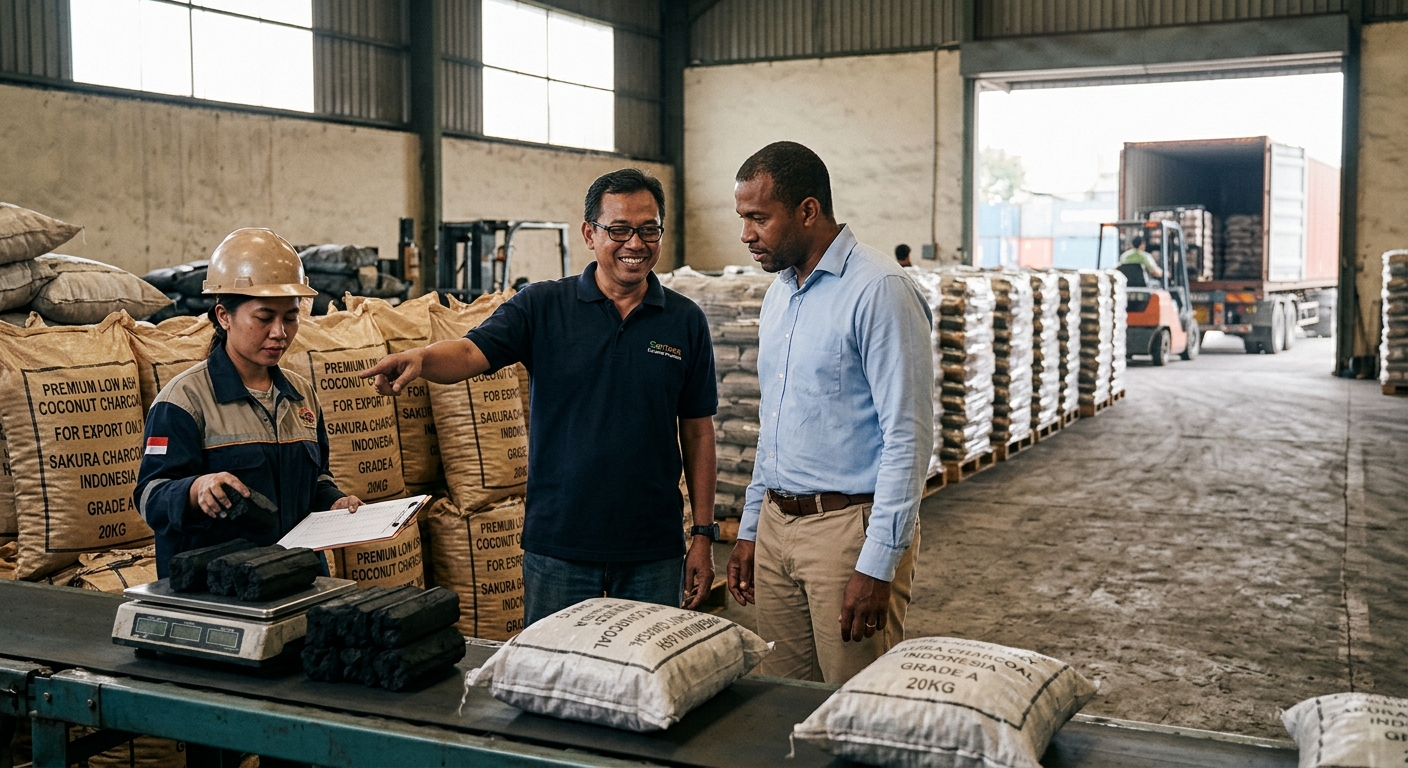
Introduction to Low Ash Coconut Charcoal
In recent years, the global demand for sustainable and high-quality fuel alternatives has skyrocketed. Among these alternatives, coconut shell charcoal has emerged as a frontrunner. Specifically, low ash coconut charcoal has gained immense popularity due to its clean-burning properties and minimal residue. This article delves into the world of low ash coconut charcoal exporters, exploring the manufacturing process, benefits, industrial applications, and crucial factors to consider when choosing a reliable supplier.
What Makes Coconut Charcoal "Low Ash"?
Coconut charcoal is produced by carbonizing coconut shells in a controlled environment. The term "low ash" refers to the minimal amount of incombustible residue left behind after the charcoal is completely burned. High-quality low ash coconut charcoal typically boasts an ash content of less than 2.5%. This is achieved through meticulous selection of raw materials, thorough cleaning of the coconut shells to remove impurities like sand and fibers, and a highly controlled carbonization process.
When searching for a Natural Coconut Charcoal Bulk Supplier: The Complete Guide, it is essential to understand their quality control measures to ensure consistent low ash production.
The Manufacturing Process
Producing premium low ash coconut charcoal requires precision and expertise. Here is a breakdown of the typical manufacturing process:
- Sourcing Raw Materials: High-quality, mature coconut shells are collected. The quality of the shell directly impacts the final product.
- Cleaning and Sorting: Shells are rigorously cleaned to remove any dirt, coir, or other impurities that could contribute to higher ash content.
- Carbonization: The cleaned shells are heated in kilns at high temperatures (usually between 500°C and 900°C) with limited oxygen. This process removes moisture and volatile compounds, leaving behind carbon-rich charcoal.
- Crushing and Sieving: The carbonized shells are crushed into smaller pieces and sieved to achieve the desired granular size.
- Briquette Formation (Optional): For certain applications like shisha or barbecue, the charcoal powder is mixed with a natural binder (like tapioca starch) and pressed into briquettes. If you are looking to purchase these in large quantities, reading a Comprehensive Guide to Sourcing Coconut Briquettes: Navigating an 18 Tons MOQ can provide valuable insights into bulk purchasing logistics.
- Drying: The briquettes are carefully dried in ovens to reduce moisture content to an optimal level, usually around 5%.
Benefits of Low Ash Coconut Charcoal
The preference for low ash coconut charcoal over traditional wood charcoal or coal stems from its numerous advantages:
- Clean Burning: It produces significantly less smoke, odor, and sparks, making it ideal for indoor use, shisha/hookah smoking, and culinary applications where flavor preservation is paramount.
- High Heat Output: Coconut charcoal burns hotter and longer than many other types of charcoal, providing better fuel efficiency.
- Minimal Residue: The low ash content means less mess to clean up after use. This is particularly beneficial for shisha lounges and avid grillers.
- Eco-Friendly: Coconut shells are a sustainable, renewable agricultural byproduct. Utilizing them for charcoal prevents waste and does not contribute to deforestation, unlike traditional wood charcoal.
- Chemical-Free: Premium low ash coconut charcoal is typically produced without the use of harmful chemicals or additives, ensuring a pure and natural burn.
Key Industries and Applications
Low ash coconut charcoal is highly versatile and serves various industries globally:
Shisha and Hookah
Perhaps the most prominent use of low ash coconut charcoal briquettes is in the shisha industry. Smokers prefer it because it does not impart any unwanted flavors to the tobacco, burns consistently for a long time, and leaves very little ash, preventing the bowl from getting clogged.
Barbecue and Grilling
Chefs and barbecue enthusiasts value low ash coconut charcoal for its high heat and clean burn. It sears meat perfectly without overpowering the food's natural flavors with excessive smoke.
Water and Air Purification
Granular coconut shell charcoal is an excellent precursor for activated carbon. Activated carbon is widely used in water filtration systems and air purifiers due to its highly porous structure, which effectively traps impurities, toxins, and odors.
Metallurgy and Industrial Uses
Due to its high carbon content and low impurities, coconut charcoal is sometimes used in metallurgical processes, such as smelting and metal extraction, where a pure carbon source is required.
How to Choose the Right Exporter
Selecting a reliable exporter is critical for ensuring product quality and smooth logistics. Here are factors to consider:
| Criteria | Details to Look For |
|---|---|
| Quality Certifications | Check for ISO certifications, SGS testing reports, or other recognized quality standards that verify the ash content, moisture levels, and fixed carbon. |
| Production Capacity | Ensure the exporter can meet your volume requirements consistently, especially if you need continuous bulk shipments. |
| Transparency and Communication | A good exporter will be transparent about their sourcing, manufacturing processes, and shipping timelines. Prompt and clear communication is essential. |
| Customization Options | Look for suppliers who can customize briquette shapes, sizes, and packaging according to your brand's specific needs. |
| Shipping and Logistics Expertise | The exporter should have a solid track record of handling international shipments, dealing with customs, and providing necessary documentation. |
Conclusion
Low ash coconut charcoal represents a premium, sustainable, and highly efficient fuel source with growing global demand. From shisha lounges to high-end barbecues and industrial applications, its benefits are undeniable. By understanding the manufacturing process and carefully selecting reputable exporters who prioritize quality and transparency, businesses can secure a reliable supply of this valuable commodity. As the world continues to shift towards eco-friendly alternatives, the role of reliable low ash coconut charcoal exporters will only become more significant.
Frequently Asked Questions (FAQ)
What is the ideal ash content for premium coconut charcoal?
For premium applications like shisha smoking, the ideal ash content is typically below 2.5%. Lower ash content indicates a cleaner burn and less residue.
Why is coconut charcoal considered eco-friendly?
It is made from coconut shells, which are an agricultural byproduct. Using these shells for charcoal prevents waste and provides an alternative to cutting down trees for wood charcoal, thus reducing deforestation.
How long does low ash coconut charcoal typically burn?
Depending on the size and shape of the briquette, high-quality low ash coconut charcoal can burn for 1.5 to 2.5 hours, providing a long-lasting and consistent heat source.
Can I request custom packaging from exporters?
Yes, most reputable bulk exporters offer OEM (Original Equipment Manufacturer) services, allowing you to customize the inner and outer packaging with your own brand design and specifications.