The Ultimate Guide to Sourcing from a Bulk Hexagonal Charcoal Briquettes Factory
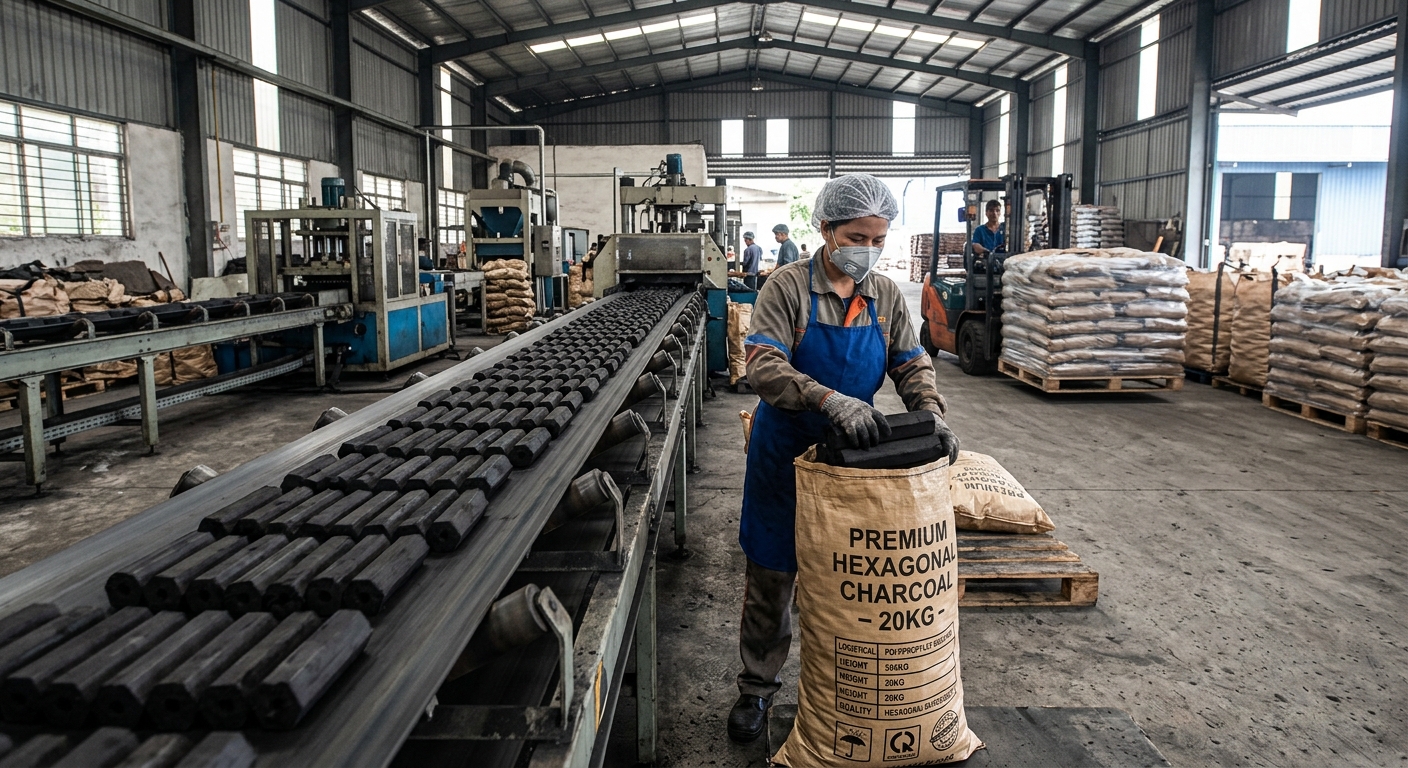
Introduction to Bulk Hexagonal Charcoal Briquettes
In the highly competitive world of barbecue, grilling, and industrial heating, the demand for efficient, long-lasting, and eco-friendly fuel sources has never been higher. Among the various options available in the market, hexagonal charcoal briquettes have emerged as a premium choice for both commercial and residential applications. Sourcing these products directly from a bulk hexagonal charcoal briquettes factory offers businesses a distinct competitive advantage, ensuring steady supply chains, consistent quality, and optimal pricing.
Hexagonal charcoal briquettes are specifically engineered to provide maximum heat output, extended burn times, and minimal ash production. Their unique geometric shape is not just for aesthetics; it plays a crucial role in airflow and stackability, making them incredibly efficient for cooking and heating. This comprehensive article delves into the manufacturing processes, the intrinsic benefits of the hexagonal design, and the critical factors to consider when partnering with a bulk manufacturer.
The Manufacturing Process in a Hexagonal Charcoal Briquettes Factory
Understanding how these premium briquettes are made is essential for buyers who want to ensure they are sourcing high-quality products. A reputable bulk hexagonal charcoal briquettes factory follows a strict, multi-step manufacturing process.
1. Raw Material Selection
The foundation of any high-quality charcoal briquette lies in its raw materials. The best factories utilize premium hardwood sawdust, coconut shells, or bamboo. These materials are chosen for their high carbon density and minimal impurities. By utilizing waste products from the timber and agricultural industries, manufacturers also contribute to a sustainable, circular economy.
2. Carbonization
Once the raw materials are collected, they undergo carbonization. This process involves heating the biomass in an oxygen-depleted environment (pyrolysis). The high temperatures drive off volatile compounds, moisture, and impurities, leaving behind a carbon-rich char. The efficiency of the carbonization kiln dictates the fixed carbon content of the final product, which directly correlates to the briquette's heating value.
3. Crushing and Mixing
The resulting charcoal is then crushed into a fine powder. To bind this powder into a solid shape, a natural binder, typically food-grade tapioca starch or cassava flour, is introduced. Water is added to create a uniform, moldable paste. The exact ratio of charcoal powder, binder, and water is a closely guarded secret among top manufacturers, as it dictates the briquette's structural integrity and burn characteristics.
4. Extrusion and Shaping
This is where the magic happens. The charcoal paste is fed into heavy-duty extrusion machines equipped with hexagonal molds. As the mixture is forced through the die under immense pressure, it takes on its signature six-sided shape, often with a hollow center. The hollow core allows for superior oxygen flow, ensuring an even and consistent burn. The extruded logs are then cut to the desired length.
5. Drying
Freshly extruded briquettes contain a significant amount of moisture. They are transferred to industrial drying rooms or tunnel kilns, where they are slowly dried over several days. The moisture content must be reduced to below 5-8% to prevent cracking, ensure easy ignition, and maximize heat output. Once dried, the briquettes are cooled and prepared for bulk packaging.
The Advantages of the Hexagonal Shape
Why do industry professionals prefer the hexagonal design over traditional pillow-shaped or lump charcoal? The answer lies in the physics of combustion and practical logistics.
- Superior Airflow: The hollow center hole acts as a chimney, drawing oxygen through the briquette. This promotes a hotter, more stable burn compared to solid blocks.
- Extended Burn Time: Due to the high-density extrusion process, hexagonal briquettes pack a massive amount of carbon into a compact space, resulting in burn times that can exceed 4 to 6 hours.
- Efficient Stacking: The flat sides of the hexagon allow the briquettes to be stacked tightly and securely, both in packaging and on the grill. This maximizes shipping efficiency and provides a uniform heatbed for cooking.
- Low Ash Residue: High-quality hexagonal briquettes burn incredibly clean, leaving behind less than 5% ash, which minimizes clean-up for the end-user.
How to Choose the Right Bulk Manufacturer
Sourcing directly from a bulk hexagonal charcoal briquettes factory requires careful due diligence. Not all factories are created equal, and selecting the wrong partner can lead to supply chain disruptions and inferior product quality.
Quality Assurance and Testing
Always request a Certificate of Analysis (COA) from prospective suppliers. A reliable factory will regularly test their products for moisture content, fixed carbon, volatile matter, and ash content. The fixed carbon should ideally be above 75%, and the ash content should be below 5%.
Production Capacity
Ensure the factory can handle your volume requirements. Ask about their monthly output capacity and their ability to scale production during peak seasons. A true bulk supplier should have multiple extrusion lines and extensive drying facilities.
Sustainability and Certifications
In today's eco-conscious market, consumers demand sustainable products. Look for factories that source raw materials responsibly and hold certifications such as FSC (Forest Stewardship Council) or local equivalents. For businesses looking to expand their inventory beyond hexagonal shapes, understanding the broader market is crucial. You can refer to Indonesian Coconut Charcoal Briquettes Wholesale: The Ultimate B2B Sourcing Guide for comprehensive insights.
Comparing Charcoal Briquette Types
To better understand where hexagonal briquettes fit in the market, here is a comparison of common charcoal types used in the B2B sector:
| Feature | Hexagonal Hardwood Briquettes | Pillow-Shaped Briquettes | Coconut Cube Briquettes |
|---|---|---|---|
| Typical Application | BBQ, Grilling, Commercial Kitchens | Casual Backyard BBQ | Shisha/Hookah, Small Grills |
| Burn Time | 4 - 6 Hours | 1 - 2 Hours | 1.5 - 2.5 Hours |
| Heat Output | Very High (Consistent) | Medium (Fluctuates) | High (Consistent) |
| Ash Production | Low (< 5%) | High (15% - 30%) | Very Low (< 3%) |
| Shape Advantage | Stackable, excellent airflow via hollow core | Cheap to produce, easy to ignite | Perfect for small bowls, minimal flavor impact |
As the table illustrates, hexagonal briquettes dominate in applications requiring high heat and extended duration. However, if your market extends to hookah enthusiasts, you might also need cube-shaped products. Check out The Ultimate Guide to Finding a Reliable Shisha Charcoal Cube Supplier in Indonesia to ensure you partner with top-tier manufacturers for that specific niche.
Logistics, Packaging, and Global Shipping
When dealing with a bulk hexagonal charcoal briquettes factory, shipping logistics are a major component of the final landed cost. Hexagonal briquettes are dense and heavy, meaning shipping is usually calculated by weight rather than volume. Standard packaging for bulk B2B orders typically involves 10kg to 20kg master cartons with inner plastic liners to prevent moisture absorption during transit across oceans.
Buyers should negotiate FOB (Free On Board) or CIF (Cost, Insurance, and Freight) terms depending on their experience with international freight forwarding. It is highly recommended to order a full 20ft or 40ft container to optimize shipping costs per kilogram.
Conclusion
Partnering with a reliable bulk hexagonal charcoal briquettes factory is a strategic move for distributors, restaurant chains, and retail brands seeking high-performance fuel solutions. By understanding the manufacturing process, appreciating the physics behind the hexagonal shape, and conducting rigorous supplier vetting, B2B buyers can secure a steady supply of premium briquettes. This not only guarantees customer satisfaction due to longer burn times and high heat but also builds a profitable, sustainable business model in the lucrative charcoal market.
Frequently Asked Questions (FAQ)
What raw materials are best for hexagonal charcoal briquettes?
The best raw materials are high-density hardwoods and coconut shells. These materials provide a high fixed carbon content, which translates to a hotter, longer-lasting burn with minimal ash and smoke.
Why do hexagonal briquettes have a hole in the middle?
The central hole acts as a ventilation channel. It allows oxygen to flow through the center of the briquette, ensuring it burns evenly from the inside out and the outside in. This dramatically increases combustion efficiency and heat output.
How should bulk hexagonal charcoal briquettes be stored?
They should be stored in a cool, dry place away from direct moisture and humidity. Bulk cartons should be kept on pallets off the ground, and the inner plastic liners should remain sealed until the product is ready for use or retail distribution.
Can hexagonal briquettes be used for both BBQ and industrial heating?
Yes. Due to their extended burn time and consistent, high heat output, they are heavily favored by commercial BBQ restaurants, caterers, and even for certain industrial heating applications where a clean-burning solid fuel is required.