The Ultimate Guide to Finding a Reliable Shisha Charcoal Cube Supplier in Indonesia
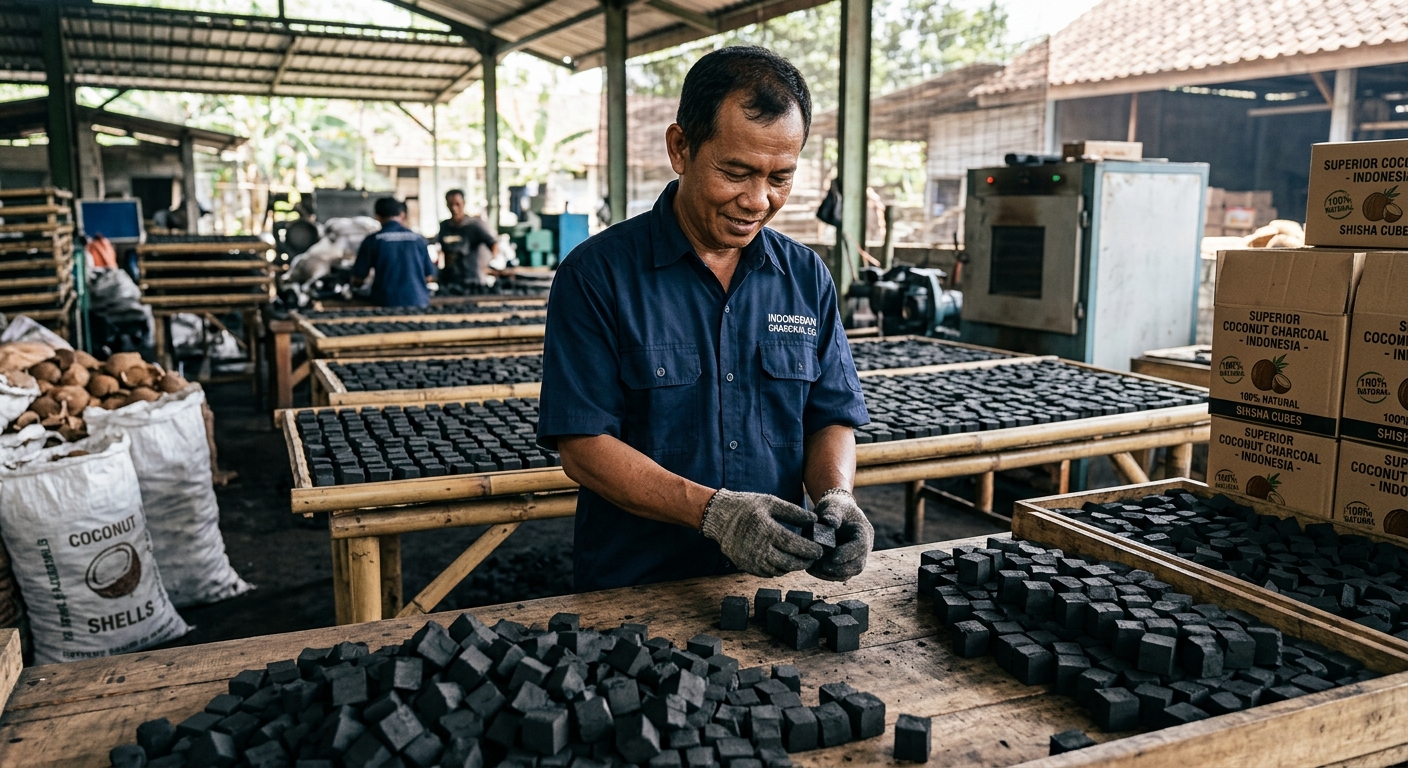
Introduction to Indonesian Shisha Charcoal
When it comes to premium hookah experiences, the quality of the charcoal used is just as important as the shisha tobacco itself. Enthusiasts and lounge owners around the globe recognize that coconut shell charcoal provides the cleanest, longest-lasting, and most flavor-neutral burn. As the demand for top-tier hookah products continues to rise globally, finding a dependable shisha charcoal cube supplier Indonesia has become a priority for wholesalers, distributors, and retailers alike.
Indonesia is uniquely positioned as the world's leading producer of coconuts. This abundant natural resource, combined with generations of agricultural expertise and modern manufacturing techniques, makes Indonesia the undisputed capital of coconut charcoal briquette production. In this comprehensive guide, we will explore why Indonesian charcoal is highly sought after, what to look for in a reputable supplier, the manufacturing process, and how you can optimize your sourcing strategy.
Why Source Shisha Charcoal Cubes from Indonesia?
Sourcing your shisha charcoal directly from Indonesia offers a multitude of benefits that simply cannot be matched by other producing regions. Here are the primary reasons why global businesses choose Indonesian suppliers for their charcoal needs.
Abundance of Premium Raw Materials
The primary ingredient in high-quality shisha charcoal is coconut shell. Indonesia's tropical climate and vast coastlines provide the perfect environment for coconut palms to thrive. The sheer volume of coconuts harvested ensures a steady and scalable supply of raw materials. Moreover, Indonesian coconut shells are known for their thickness and density, which translates directly to a denser, longer-burning charcoal cube.
Superior Burn Characteristics
Quality coconut charcoal from Indonesia is celebrated for its exceptional performance. A premium shisha charcoal cube will ignite smoothly, burn consistently for over 90 minutes, and leave minimal ash. Most importantly, it produces zero odor and zero taste, ensuring that the true flavor of the shisha tobacco is preserved. This level of quality is achieved through meticulous carbonization and mixing processes perfected by Indonesian manufacturers.
Cost-Effective Manufacturing
Due to the proximity to raw materials and efficient labor markets, Indonesian manufacturers can produce premium charcoal at highly competitive prices. This allows international buyers to achieve healthy profit margins while offering a superior product to their customers. For businesses looking to scale, understanding the landscape of Indonesian Coconut Charcoal Briquettes Wholesale: The Ultimate B2B Sourcing Guide is essential for navigating the market effectively.
The Manufacturing Process of Shisha Charcoal Cubes
Understanding how shisha charcoal cubes are made can help buyers appreciate the value of the product and ask the right questions when negotiating with suppliers. The process is a blend of traditional methods and modern machinery.
1. Sourcing and Selection of Coconut Shells
The process begins with the careful selection of fully matured coconut shells. The maturity of the shell dictates its density and lignin content, which are crucial for producing hard charcoal. Green or immature shells are rejected as they lead to briquettes that crumble easily and burn too quickly.
2. Carbonization
The selected shells undergo carbonization, a process of burning the shells in a low-oxygen environment. This removes moisture and volatile compounds, leaving behind pure carbon. The temperature and duration of this stage must be carefully controlled to ensure a high fixed carbon content, which is the defining metric of premium charcoal.
3. Crushing and Sieving
The carbonized shells are then crushed into a fine powder. The powder is passed through specific meshes to ensure uniform particle size. A consistent powder size is vital for creating a smooth, dense briquette without air pockets.
4. Mixing with Natural Binder
To form the cubes, the charcoal powder is mixed with a natural binder, typically tapioca starch, and water. Premium suppliers use only food-grade tapioca starch, avoiding any chemical additives or nitrates that could impart a bad taste or emit toxic fumes when burned.
5. Pressing and Extrusion
The mixture is fed into heavy-duty extrusion machines that compress the material under immense pressure. It is extruded into long, dense logs with a square cross-section. These logs are then precisely cut into the standard cube sizes, such as 22mm, 25mm, or 26mm, depending on buyer specifications.
6. Drying and Quality Control
The freshly cut cubes contain moisture from the mixing process and must be dried in industrial ovens. The drying process is carefully monitored to prevent cracking. Once dried, the cubes undergo rigorous quality control tests. Technicians check for drop strength, ash content, moisture levels, and burn time before packaging.
How to Choose the Right Supplier
With numerous manufacturers operating in Indonesia, selecting the right partner requires due diligence. A poor choice can lead to inconsistent quality, delayed shipments, and damaged brand reputation. To ensure a successful partnership, consider the following factors.
Assess Factory Capacity and Infrastructure
It is crucial to partner with a supplier who can meet your volume requirements consistently. Inquire about their monthly production capacity, number of extrusion machines, and oven sizes. A reliable factory should also maintain clean facilities to prevent contamination of the charcoal.
Request and Test Samples
Never place a bulk order without testing samples first. When you receive samples, perform a burn test. Note the ignition time, the color of the ash (premium ash is typically white or light grey), the percentage of ash left, and the duration of the burn. Check for any off-putting odors during ignition.
Certifications and Export Experience
Ensure that the supplier has experience exporting to your region. They should be familiar with the necessary documentation, such as Bills of Lading, Certificates of Origin, and SGS or Sucofindo inspection reports. Certifications like ISO or REACH compliance are strong indicators of a professional operation. If you need a deeper dive into evaluating manufacturers, Choosing the Right B2B Coconut Shell Charcoal Manufacturer: A Comprehensive Guide provides an excellent framework for making an informed decision.
Key Specifications to Look For
When communicating with a shisha charcoal cube supplier in Indonesia, you need to speak their language. Here are the key technical specifications that define premium hookah charcoal.
| Specification | Premium Standard Range | Why It Matters |
|---|---|---|
| Fixed Carbon | 75% - 85% | Higher fixed carbon means higher heat and longer burn time. |
| Ash Content | 1.8% - 2.5% | Lower ash means cleaner smoking and less frequent ashing. |
| Moisture Content | Max 5% | Low moisture ensures quick ignition and prevents cracking during burning. |
| Volatile Matter | 10% - 15% | Lower volatile matter means less smoke and fewer sparks during lighting. |
| Burn Time | 90 - 120 Minutes | Provides a long-lasting, uninterrupted hookah session. |
Common Challenges in Sourcing and How to Overcome Them
Sourcing internationally always comes with its set of challenges. Being aware of these potential pitfalls can save you time and money.
- Inconsistent Quality: Some suppliers may send excellent samples but deliver subpar bulk orders. Mitigate this by hiring an independent third-party inspection agency (like SGS) to verify the goods before shipment.
- Communication Barriers: Ensure your supplier has a dedicated English-speaking account manager. Clear communication regarding specifications, packaging, and shipping terms is vital.
- Logistics and Shipping Delays: Charcoal is classified as a dangerous good (Class 4.2) by maritime authorities. Ensure your supplier is experienced in handling the specific packaging and documentation required for shipping self-heating substances.
Conclusion
Finding a reliable shisha charcoal cube supplier in Indonesia is a critical step for any business looking to dominate the premium hookah market. Indonesia's unparalleled access to high-quality coconut shells, combined with expert manufacturing processes, makes it the ideal sourcing destination. By understanding the manufacturing process, knowing the key specifications to demand, and conducting thorough due diligence on potential partners, you can secure a steady supply of top-tier charcoal that will satisfy even the most discerning hookah enthusiasts. Build a strong, communicative relationship with your manufacturer, and your business will reap the rewards of consistent quality and competitive pricing.
Frequently Asked Questions
What makes Indonesian coconut charcoal better than wood charcoal for shisha?
Indonesian coconut charcoal is much denser than wood charcoal, meaning it burns longer and hotter. Crucially for shisha, coconut charcoal does not produce any smoke, odor, or taste once fully lit, ensuring the flavor of the shisha tobacco is not ruined.
What are the most popular sizes for shisha charcoal cubes?
The most commonly requested sizes are 22x22x22mm, 25x25x25mm, and 26x26x26mm. The 25mm and 26mm cubes are particularly popular in Western markets and the Middle East for their extended burn times.
How long does it take to manufacture and ship a container of charcoal?
Typically, a reliable supplier in Indonesia will require 2 to 4 weeks to produce and package a 20ft container of charcoal, assuming custom packaging is already printed. Shipping times vary by destination but generally range from 3 to 6 weeks.
Why is ash color important in shisha charcoal?
Ash color can indicate the quality of the raw materials and the manufacturing process. Premium coconut shell charcoal usually leaves a light grey or white ash. Brown or very dark ash can sometimes indicate the presence of impurities or lower-quality binders.