The Ultimate Guide to Coconut Shell Briquettes for BBQ: Superior Grilling and Sustainability
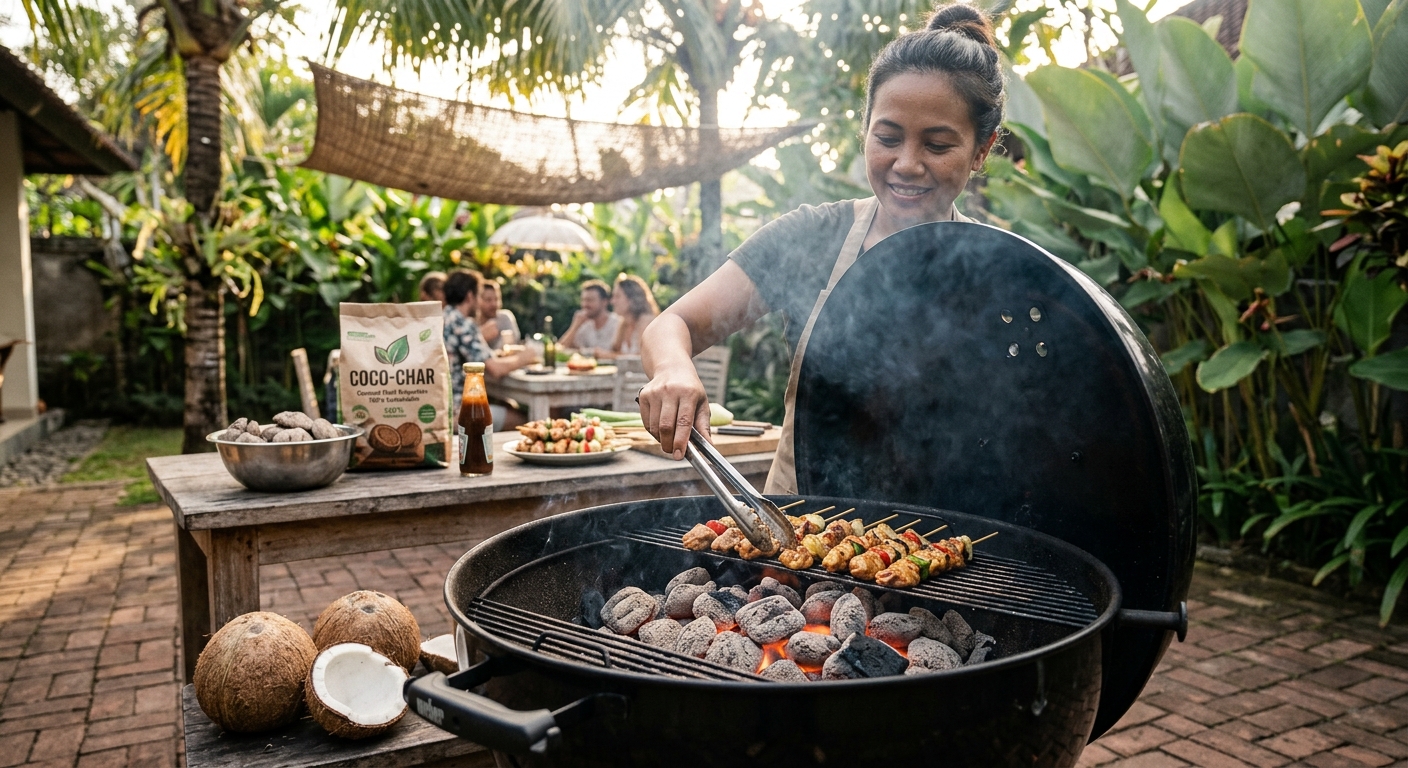
Introduction to Coconut Shell Briquettes for BBQ
In the world of outdoor cooking and professional barbecuing, the fuel you choose is just as important as the quality of the meat you are grilling. For decades, pitmasters and backyard enthusiasts alike relied on traditional hardwood lump charcoal or standard charcoal briquettes. However, a revolutionary alternative has taken the culinary world by storm: coconut shell briquettes for BBQ. These highly efficient, eco-friendly cubes or logs of compressed coconut shell charcoal offer a multitude of benefits that elevate the grilling experience to new heights.
Coconut shell briquettes are manufactured from the discarded shells of coconuts, turning an agricultural byproduct into a premium source of fuel. Unlike wood-based charcoal, which requires the cutting down of trees, coconut charcoal is completely sustainable. But the benefits extend far beyond environmental impact; these briquettes provide a cleaner, hotter, and longer-lasting burn, making them the preferred choice for discerning chefs globally.
The Manufacturing Process: From Waste to Premium Fuel
The journey of a coconut shell briquette begins in tropical regions where coconuts are harvested in abundance. Once the coconut meat and water are extracted for food and beverage industries, the hard inner shells are left behind. Instead of being sent to landfills, these shells undergo a meticulous carbonization process.
The shells are burned in a controlled environment with limited oxygen to remove moisture and volatile compounds, leaving behind pure carbon. This carbonized shell is then crushed into a fine powder, mixed with a natural, food-grade binder (typically tapioca starch), and compressed under high pressure into various shapes—such as cubes, hexagons, or cylinders. The final step involves drying the briquettes in large ovens to ensure they are completely moisture-free, resulting in a dense, hard-hitting fuel source ready for the grill.
Key Benefits of Using Coconut Shell Briquettes for BBQ
Why are so many BBQ lovers making the switch to coconut shell briquettes? The answer lies in the distinct advantages this fuel offers over traditional alternatives.
1. Exceptional Burn Time
Coconut shell briquettes are incredibly dense. This high density allows them to burn up to three times longer than traditional lump charcoal. For slow-smoking meats like brisket or pork shoulder, this means you spend less time replenishing the fuel and more time focusing on temperature control and flavor.
2. High and Consistent Heat
Achieving the perfect sear on a steak requires intense heat, and coconut briquettes deliver exactly that. They burn significantly hotter than most wood charcoals. If you want to understand the science and sourcing behind this intense heat, we highly recommend reading the High Calorie Coconut Charcoal from Indonesia: The Ultimate Guide. This resource dives deep into why Indonesian coconut charcoal is prized for its extraordinary caloric value.
3. Smokeless and Odorless
One of the most appreciated qualities of coconut briquettes is that they produce virtually no smoke and have no inherent chemical odor. This allows the natural flavors of your food, marinades, and any specific smoking woods you choose to add (like hickory or applewood) to shine through without being overpowered by the smell of burning fuel.
4. Minimal Ash Production
Standard briquettes are notorious for leaving behind mountains of ash, which can clog your grill's airflow and make cleanup a nightmare. Coconut shell briquettes burn incredibly clean, typically leaving less than 3% to 5% ash. This ensures better airflow during long cooks and makes post-BBQ cleanup a breeze.
5. 100% Natural and Eco-Friendly
Since they are made from agricultural waste and utilize natural binders, coconut briquettes are free from the harmful chemicals, nitrates, and fillers often found in cheap supermarket briquettes. Furthermore, utilizing coconut shells prevents deforestation, making your BBQ habit entirely sustainable.
Comparing Coconut Briquettes to Traditional Charcoal
To truly understand the superiority of coconut shell briquettes, it helps to see a side-by-side comparison with traditional wood lump charcoal and standard chemical briquettes.
| Feature | Coconut Shell Briquettes | Wood Lump Charcoal | Standard Briquettes |
|---|---|---|---|
| Burn Time | Very Long (3-5 hours) | Moderate (1-2 hours) | Moderate (1-3 hours) |
| Heat Output | Very High (High Calorie) | High | Medium |
| Ash Residue | Very Low (Under 5%) | Low to Moderate | High (Lots of fillers) |
| Smoke/Odor | None (Neutral) | Wood Smoke Flavor | Often smells of chemicals |
| Eco-Friendly | Yes (Sustainable byproduct) | No (Requires logging) | No (Contains additives) |
Sourcing Wholesale Coconut Briquettes for Commercial BBQ
For restaurants, catering businesses, and competitive BBQ teams, buying fuel in bulk is a necessity. Sourcing premium coconut charcoal directly from manufacturers in countries like Indonesia can provide significant cost savings and ensure a steady supply of high-quality fuel. However, international sourcing often involves dealing with Minimum Order Quantities (MOQs) and logistical challenges.
If you are a business owner looking to import these premium briquettes, it is crucial to understand the logistics of bulk purchasing. To navigate this complex process effectively, you should consult this Comprehensive Guide to Sourcing Coconut Briquettes: Navigating an 18 Tons MOQ. This guide provides invaluable insights into shipping, quality control, and maximizing your return on investment when ordering large quantities.
How to Use Coconut Briquettes for the Perfect BBQ
While coconut briquettes are straightforward to use, their high density means they require slightly different handling than standard charcoal.
Lighting the Briquettes
Because they lack the chemical accelerants found in standard briquettes, coconut charcoal takes a bit longer to light. The most effective method is using a charcoal chimney starter. Place a natural firelighter or crumpled paper at the base of the chimney, fill the top with coconut briquettes, and light the base. It will take about 15 to 25 minutes for the briquettes to become fully ashed over and glowing red. Once they are covered in a light layer of white ash, they are ready to be poured into your grill.
Mastering Temperature Control
Due to their high heat output, you may need fewer coconut briquettes than you would standard charcoal to achieve your target temperature. For low and slow cooking, utilize the Minion Method or a charcoal snake. Place unlit briquettes in your smoker and add a few lit briquettes to one end. The fire will slowly and consistently burn through the unlit fuel, giving you hours of steady heat with zero hassle.
Conclusion
The shift towards coconut shell briquettes for BBQ is not just a passing trend; it is a fundamental upgrade in how we approach outdoor cooking. By offering a sustainable, high-heat, low-ash, and long-lasting alternative to traditional charcoal, coconut briquettes allow pitmasters to focus on what truly matters: creating mouth-watering, perfectly cooked food. Whether you are searing a steak for a quick weeknight dinner or managing a 12-hour brisket smoke, coconut shell briquettes provide the reliable, clean-burning fuel required to achieve culinary perfection. Make the switch today and experience the future of grilling.
Frequently Asked Questions (FAQ)
Can I use coconut shell briquettes in any type of grill?
Yes, coconut shell briquettes are highly versatile and can be used in Kamado-style cookers, kettle grills, offset smokers, and even portable camping grills. Their consistent heat makes them ideal for almost any charcoal-based cooking appliance.
Do coconut briquettes make food taste like coconut?
No, they do not. The carbonization process removes all the organic compounds that would impart a coconut flavor. They burn completely neutral, smokeless, and odorless, allowing the natural flavor of your meat and any added smoking woods to be the star of the show.
Why do coconut briquettes take longer to light?
Coconut briquettes are extremely dense and contain absolutely no chemical accelerants (like lighter fluid). While this means they take an extra 10-15 minutes to light using a chimney starter, the payoff is a much longer, hotter, and cleaner burn time once they are ignited.
Are coconut shell briquettes really better for the environment?
Absolutely. Traditional charcoal requires cutting down trees, which contributes to deforestation. Coconut shell briquettes are made from a waste byproduct of the coconut industry. By using them, you are utilizing agricultural waste and preventing it from rotting in landfills, making it a 100% sustainable and eco-friendly fuel choice.