Discover the Best Indonesia Charcoal for Hookah Smoking
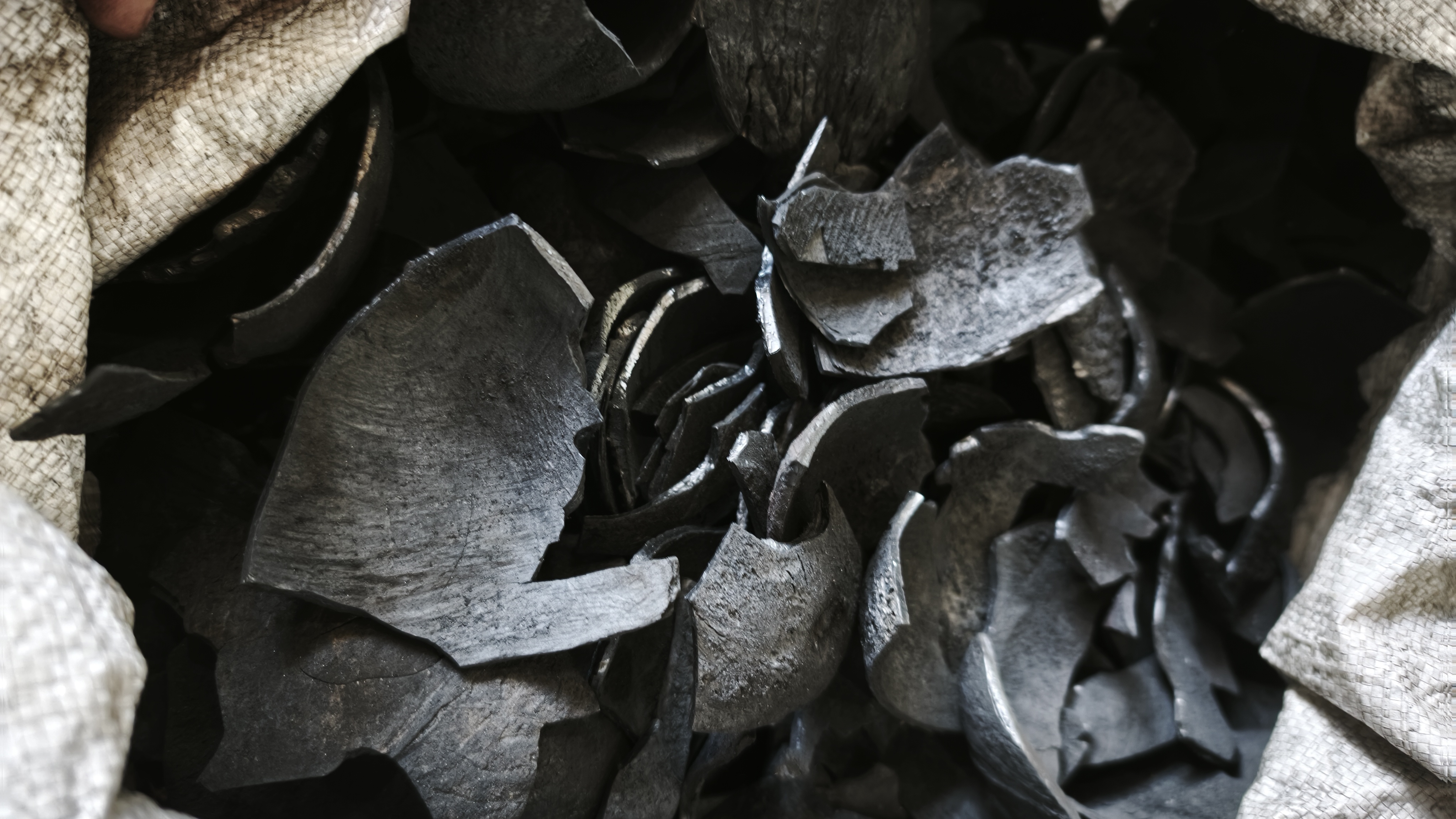
Discover the Best Indonesia Charcoal for Hookah Smoking

"Quality is remembered long after the price is forgotten." — Aldo Gucci.
You want predictable sessions with clean flavor and simple cleanup. This guide shows why coconut-shell coals from a top coconut producer matter. They deliver stable heat, low ash, and minimal off-smells so your shisha nights stay uninterrupted.
Think like a buyer in Germany: you compare specs, shapes, packaging, and supplier consistency—not marketing claims. We'll focus on materials, performance data (ash level, moisture, fixed carbon), and logistics such as MOQ and lead times.
If you need pricing or samples, contact us via WhatsApp at +6281220806059. This section sets expectations: consistent heat, low ash, no off-smells, and predictable burn time for repeatable sessions.
Key Takeaways
- Look for coconut-based fuel with stable heat and low ash for cleaner flavor transfer.
- Evaluate specs like moisture and fixed carbon the way a wholesaler does.
- Packaging, shape, and supplier consistency affect session predictability.
- This guide targets German smoke shops, lounges, distributors, and private-label buyers.
- Contact via WhatsApp +6281220806059 for pricing, spec sheets, or to start sampling.
Why Indonesia’s Coconut Shell Charcoal Dominates the Hookah Market in the Present Day
Start with the ingredient: the shell behind the coal defines performance.
Consistent heat and low ash are not accidents. Coconut shell briquettes burn steadily, giving you predictable heat output for long sessions. That stability helps preserve delicate flavor and cuts down on frequent coal swaps during busy service.
How shell material supports cleaner sessions
Coconut shells compress into dense briquettes that hold heat without spiking. The result is a cleaner smoke profile with fewer burnt notes than quick-light options.
What “natural” fuel means in practice
Natural coconut products ignite without sulfur or chemical odors. Ash stays low and fine, so trays and bowls stay cleaner and cleanup is faster.
Why sourcing matters
"Scale and origin affect your supply continuity and raw quality."
- Look for origin transparency (Indonesia, Sumatera) and material claims (coconut shells).
- Require spec sheets and samples to confirm ash, moisture, and burn time.
- Choose suppliers that prove batch consistency to protect your lounge or shop.
best indonesia charcoal for hookah: What to Look for Before You Buy

Begin with numbers: ash rate, moisture, and fixed carbon tell you what to expect in service.
Ash content and color benchmarks
Request ash content on the spec sheet. Aim for a range around 1.5–2.2%. White, fine ash signals a clean carbonization process.
Lower ash means less cleaning and clearer flavor transfer to your customers.
Burn time targets
Ask for documented burn time. A reliable product should deliver up to 120 minutes under steady service conditions.
Longer time reduces swaps, cuts labor, and supports extended sessions in lounges and shops.
Heat output, density, and durability
Good heat is high and steady, not spiking. That stability links to uniform density in briquettes.
- Drop test: expect a 3×1 meter check with few breakages.
- Dense cubes mean less dust and more even burn.
- Fixed carbon should be ≥ 77%.
Odor, smoke, sparks, moisture
Premium briquettes produce no unpleasant odor, minimal visible smoke once fully lit, and no sparking.
Request moisture ≤ 6% on the spec sheet to ensure easy lighting and steady burn.
Buying goal: you want repeatable sessions, fewer complaints, and predictable performance.
Coconut Charcoal Briquette Shapes and Sizes That Fit Your Hookah Setup
Your bowl and heat management device dictate which briquette format will perform best.
Popular formats include cubes, flats, hexagon, kaloud-ready styles, fingers, tablets, and cubes with a hole. Each shape changes how heat transfers to the tobacco and how easy handling is during service.
Common cube sizes to plan around
Cube sizes you will see are 26×26×26 mm, 25×25×25 mm, 22×22×22 mm, and 20×20×20 mm. Plan orders around these sizes to match different bowl diameters and customer preferences.
How setup alters your choice
- Foil users: flats and small cubes give flexibility to stack and rotate under foil.
- HMD (Kaloud) users: kaloud-ready shapes and consistent 25mm or 26mm cubes fit devices cleanly.
- Service planning: 26mm for long sessions and large bowls; 25mm as a core SKU; 22mm or 20mm for tighter control.
Also consider breakage risk: larger, dense cubes resist transit damage. Thinner shapes need stronger packaging to protect shells and edges.
Stock tip for German buyers: keep a 25mm core, a 26mm high-heat option, and a 22mm control size to cover most setups and customer requests.
Quality Standards You Can Verify When Buying Coconut Shell Briquettes
A solid spec sheet prevents surprises when the container arrives at your dock.
Ask the factory to provide exact numbers: ash 1.5–2.2%, moisture ≤6%, fixed carbon ≥77%, and tested burn time ~120 minutes.
What to request and why it matters
Request a spec sheet that lists ash, moisture, fixed carbon, and burn time. These content points tell you how the product will perform in service.
Ensure batch consistency
One great sample is not enough. Require pre-production approval, in-process photos or videos, and retention samples tied to each packing date. This reduces the risk that a container will differ from the sample.
- Ask for tolerance ranges and test methods so comparisons are fair.
- Confirm moisture and fixed carbon numbers; they affect lighting and heat time.
- Check packaging: good protection prevents breakage and moisture uptake in transit.
Tip: Treat spec sheets as a contract point—your reputation depends on consistent quality across every container.
Factory, Materials, and Process: How Premium Coconut Shell Charcoal Is Made

Good briquettes start long before pressing — they begin at the shell pile and the kiln.
High-grade production follows a simple chain:
- Sort and clean coconut shells to remove contaminants.
- Carbonization in controlled kilns to reach uniform fixed carbon.
- Grind, mix with minimal binder, press into shape, then dry and inspect.
Ask suppliers if the briquettes are made from pure coconut shell charcoal and whether the recipe is labeled 100 natural with minimal additives.
Process control influences performance: uniform carbonization and correct moisture yield even burn, steady heat, and low ash. Poor batches usually stem from mixed raw shells, uneven firing, or rushed drying that traps moisture.
Factory questions to ask:
- Daily output and QC checkpoints.
- How they prevent dust and breakage before packing.
- Can they supply production photos and retention samples?
Better-made briquettes cut complaints about odor, sparks, and short burn time — and help you secure repeat orders in Germany.
Packaging, Private Label, and OEM Options for the German Market
Your brand image starts at the box—packaging tells the customer what to expect.
OEM/private label explained: you supply the brand name and artwork. The factory prints and packs to your spec after a down payment. Printing and packing typically take 2–3 weeks inside a 25–35 day prep window.
What to provide to start
- Your packaging artwork and carton specs.
- Compliance and label text for the German market.
- Desired product format and counts per box.
Choose shapes and sizes by customer
Pick 25–26mm cubes for lounge and high-heat use. Use 22–20mm cubes for tighter heat control.
Offer kaloud-ready and flat or tablet options to match retail demand.
Protect quality in transit
- Strong inner and outer cartons to reduce breakage.
- Tightly packed pallets and dust control measures.
- Moisture barriers to prevent uptake at sea and protect container loads.
Packaging equals profit: less dust and fewer broken briquettes mean more sellable units and fewer refunds. For OEM quotes, mockups, or packing advice, Contact us via WhatsApp at +6281220806059.
How to Buy and Import Indonesian Hookah Charcoal to Germany
Start your import plan with a clear checklist that ties specs to shipment dates.
Minimum order and container planning: You can place a 1×20" FCL MOQ. A 20" container (no pallets) holds about 17.5–18 tons. A 40" fits roughly 25–26 tons. Use these numbers for budgeting and landed-cost math.
Lead times and timing expectations
Total preparation normally runs 25–35 days. Production takes ~5 days. Printing and packing often need 2–3 weeks. Plan promotions and inventory around this window.
Payment and order process basics
Payment is by TT only: 50% advance, 50% after scanned B/L. Confirm you pay the account under PT Bumi Energi Sejahtera and verify bank details before transfer.
Samples and risk reduction
The factory in west sumatera offers a free sample; you cover shipping from lampung ( panjang port ). Test for smoke, sparks, odor, and session stability. Lock specs after approval so containers match the sample.
- Choose specs → approve sample → confirm packaging/artwork
- Place PO → pay deposit → production + printing/packing
- Shipment booking → document check → balance payment → delivery planning
Fastest action: Contact us via WhatsApp at +6281220806059 for quotes, sample requests, and shipment coordination.
Conclusion
Close your buying process with a short checklist that ties specs to real service outcomes.
Checklist: choose coconut briquettes made from coconut shells with low ash, steady heat, and a clean lighting profile to protect shisha flavor and customer experience.
Verify numbers: request spec sheets (ash, moisture, fixed carbon, burn time), test a sample, and require batch consistency so every shipment matches the approved sample.
Match shapes and sizes to your setup—foil or HMD—and plan MOQ and lead times to avoid stock gaps. For pricing, OEM/private label, samples, and container planning, see our indonesian shisha charcoal page or contact us via WhatsApp at +6281220806059.