Premium Hookah Charcoal from Indonesia Delivering the Gold Standard of Natural Heat
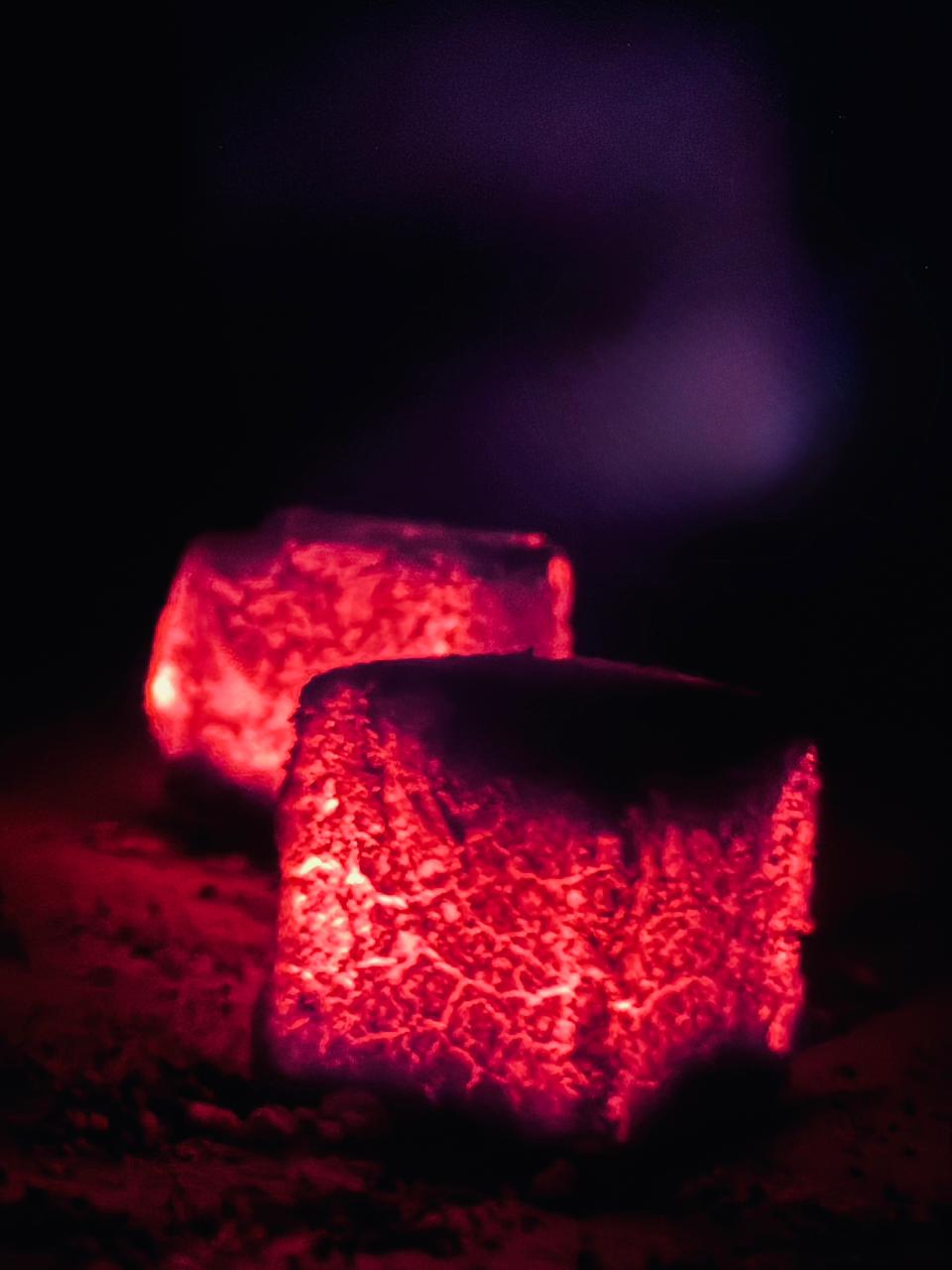
Premium Hookah Charcoal from Indonesia
Delivering the gold standard of natural heat, Indonesia’s coconut-based briquettes combine premium quality and sustainable raw material to meet growing global hookah demand. This article outlines the product characteristics, production process, technical advantages, sustainability benefits, and market relevance of premium coconut shell charcoal made in Indonesia.
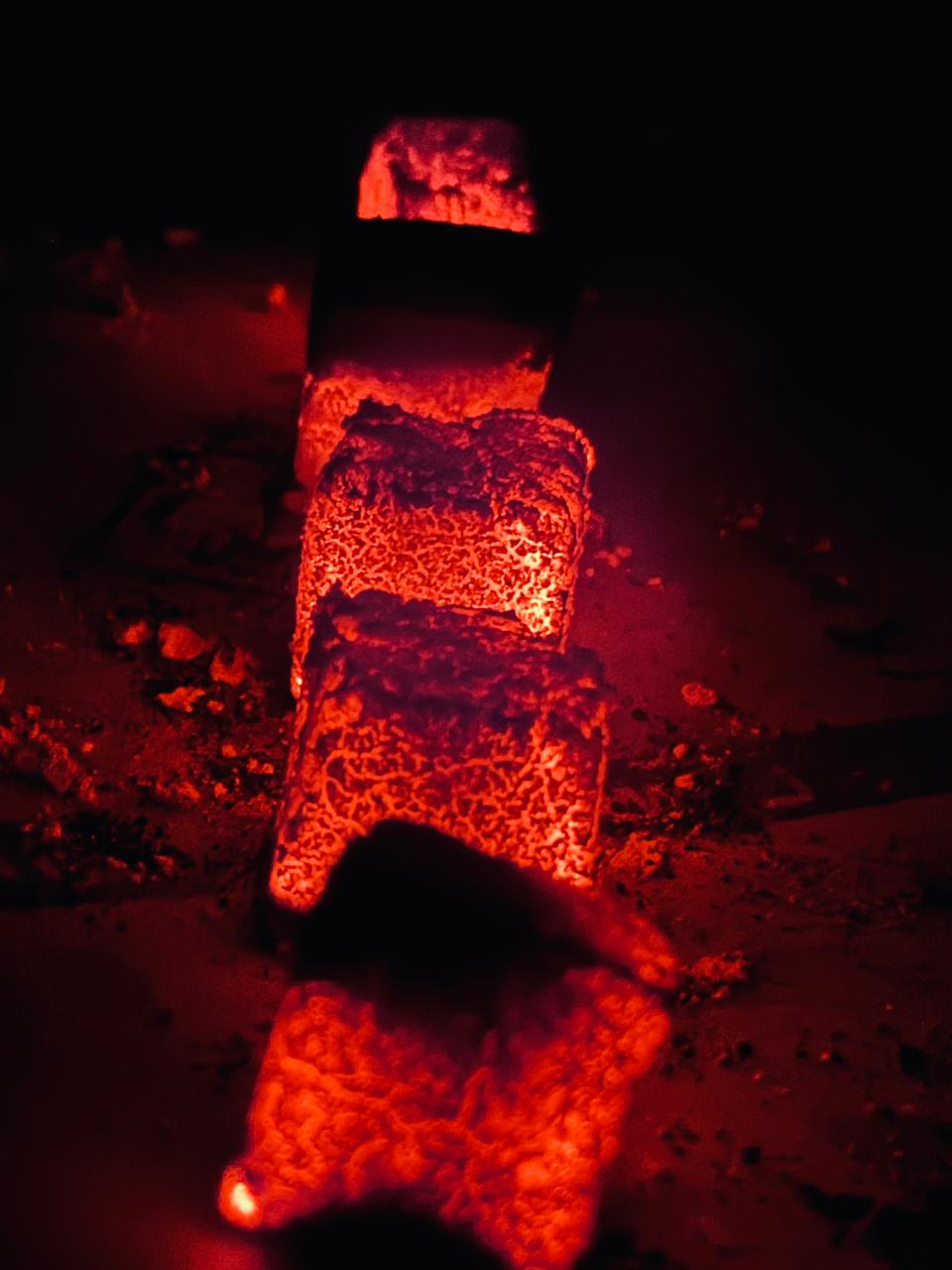
glowing oxicarbon briquettes
Indonesia is one of the world’s top coconut producers, converting coconut shells into high-value, export-grade briquettes that deliver long burn times, consistent heat, and low ash. Interested in specs or samples? View product specs or request a sample to evaluate quality and pcs per pack.
The Unique Characteristics of Indonesian Premium Hookah Charcoal
Indonesian premium charcoal is made from coconut shell biomass — a renewable raw material that yields dense, high-fixed-carbon briquettes. Compared with wood charcoal, coconut shell charcoal typically offers longer, more stable burning and preserves shisha flavor with minimal odor and smoke.
- Raw material: coconut shell — a by-product turned premium coconut charcoal.
- Density & performance: higher fixed carbon content supports steady combustion and efficient heat output.
- Burn time: typical burning time of 2–3 hours depending on cube size (common sizes: 25mm–26mm).
- Ash & residues: low ash content, often below 2.5% (manufacturer-reported typical value).
- Clean flavor: no chemical accelerants used; burns with minimal odor to preserve shisha taste.
Product specs (typical): cube briquettes, 25–26mm size options, low breakage for shipping, and available pcs per pack—see technical specs for exact pcs and packaging options.
Production Process and Quality Control Standards
The manufacture of premium coconut shell charcoal blends traditional carbonization with modern industrial controls to produce consistent, export-grade briquettes. Below are the core production stages and the typical quality metrics used to ensure reliable performance for hookah and shisha applications.
- Carbonization (Pyrolysis): Coconut shells (the primary raw material) are heated in low-oxygen kilns to convert biomass into charcoal. This stage sets the fixed carbon level and calorific value — producers report typical calorific values above 7,000 kcal/kg for high-quality batches.
- Crushing & Grinding: The carbonized shell is milled to a fine powder to ensure uniform density and predictable burning behavior during briquette formation.
- Mixing with Natural Binder: A small percentage of tapioca starch or similar natural binder is added to provide structural integrity without chemical accelerants, supporting a 100% natural coconut product claim where applicable.
- Briquette Pressing: The blend is compressed under high pressure into cube or rectangular shapes (common cube sizes are used to match hookah bowl requirements). High pressure increases density, improving burning duration and reducing breakage in transit.
- Drying & Quality Testing: Briquettes are oven-dried to target moisture below ~5% (manufacturer-typical). QA tests commonly include ash percentage, calorific value, moisture, and mechanical strength (impact/hardness tests) to confirm export-grade quality.
Quick QC checklist (typical manufacturer targets): ash <2.5%, moisture <5%, calorific value >7,000 kcal/kg, low friability in cube shape. Packaging is configured to protect briquettes (minimize breakage) and list pcs per pack — see product specs for exact pcs and packaging options.
Technical Performance in Hookah Applications
Coconut charcoal from Indonesia delivers steady, consistent heat that is ideal for shisha hookah sessions. The dense coconut shell structure enables slow, even burning so tobacco heats rather than scorches — preserving flavor and avoiding sudden temperature spikes common with some wood charcoals.
- Flavor preservation: No chemical additives or accelerants are used in quality coconut charcoal, so shisha flavors remain true and free of off-odors.
- Low ash: Typical ash levels are very low (often <2.5%), helping maintain smooth airflow in the bowl and reducing cleaning frequency.
- Reliable burn: Cube charcoal briquettes provide predictable burning behavior — useful for lounges and home users seeking consistent session length.
Quick user tips: Light briquettes fully until uniformly glowing (typically 5–10 minutes depending on heater), place on bowl edges for even heat, and use tongs and a heat-proof surface to handle sparks and ash safely. For best results, choose cube sizes matched to your bowl — sample packs help determine the right size.
Want to test performance? Order shisha charcoal samples or request bulk pricing to evaluate burn profile and pcs per pack for your business.
Environmental Sustainability and Combustion Research
Premium hookah charcoal made from coconut shells turns agricultural waste into value, supporting a circular economy by reducing discarded shells and lowering pressure on forests. Using coconut shell charcoal rather than wood-based fuel helps minimize deforestation risk and creates rural jobs in carbonization, briquette pressing, and packaging.
- Feedstock: coconut shells — a renewable by-product of coconut processing that becomes high-quality shell charcoal.
- Circular benefits: reduces agricultural waste, supports local economies, and can lower overall environmental footprint versus timber-based charcoals (typical industry claim).
On combustion and health: while any hookah smoking poses health risks, fuel choice affects combustion by-products. One study reports that coconut shell briquettes may burn more uniformly — producing more stable CO emission patterns compared with some wood charcoals — but this does not eliminate the inherent risks of hookah use. Claims about environmental gains and emissions should be supported by lifecycle or laboratory data where available.
Global Market Demand and Indonesia’s Competitive Position
Demand for premium coconut charcoal is rising across the Middle East, Europe, the United States, and Southeast Asia as lounges and retailers prioritize consistent performance, flavor neutrality, and low ash. Coconut shell charcoal has become a preferred premium coconut product in the shisha market because it delivers long burn times, uniform cube sizes, and reduced breakage during shipping.
Why buyers choose Indonesian briquettes: quality raw material (abundant coconut shells), cost-effective production, export-ready certifications, and flexible packaging/branding options for private label or OEM orders.
Sample product & ordering info (typical):
- Product: cube charcoal briquettes made from coconut shell charcoal
- Sizes: 25mm–26mm (other sizes available on request)
- Packing: protective packaging to minimize breakage, pcs per pack listed per SKU (pcs vary by packaging)
- Box weight & lead time: standard bulk box weights available; shipping lead times typically measured in days — contact sales for exact days and shipping options
- Ordering: MOQ and private label options available — request a quote to confirm pcs, packaging, brand labeling, and sample availability
The industry also supports local economies by creating jobs in carbonization, grinding, pressing, packaging, and logistics — converting coconut shells into high-value products that strengthen Indonesia’s position as a leading supplier of premium shisha hookah charcoal. To order samples or discuss bulk pricing and shipping, contact our sales team.
Conclusion
Premium coconut shell charcoal from Indonesia combines reliable technical performance with sustainability advantages: made from 100% natural coconut shells, these briquettes offer long-lasting heat, low ash, odorless combustion, and flavor neutrality that benefit shisha hookah users and businesses alike.
While some studies report stable combustion and high calorific efficiency for coconut shell briquettes, claims should be supported with certificates or lab reports where available. For full product description, size and packaging options, and exact pcs per pack, request a spec sheet or contact sales for samples and pricing.
Ready to evaluate our products? Download the product spec or contact our team to order samples, confirm MOQ, and discuss private-label branding and shipping details.