Premium Shisha Charcoal from 100% Coconut Shell for Consistent Heat Pure Flavor and Sustainable Hookah Experience
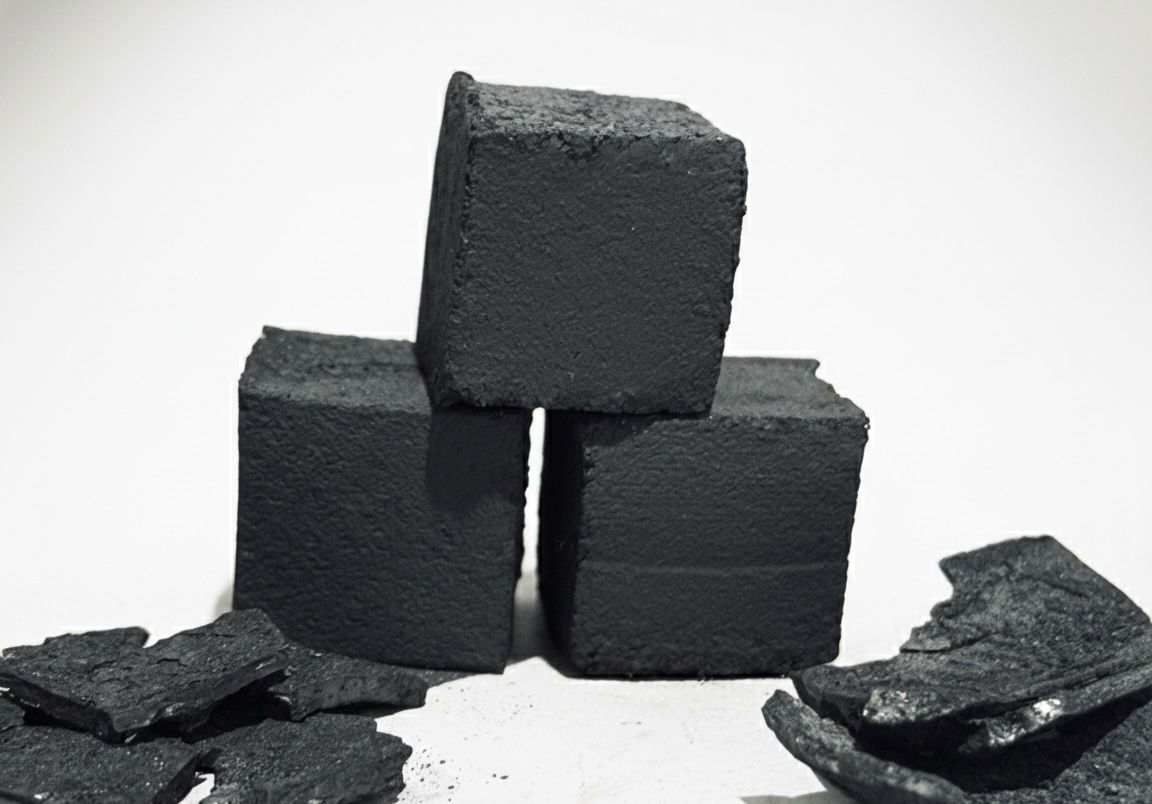
Premium Shisha Charcoal — 100% Coconut Shell for Consistent Heat, Pure Flavor, and a Sustainable Hookah Experience
The global hookah market is shifting toward higher quality as consumers and lounges demand cleaner, longer-lasting, and more environmentally responsible coals. A major result: premium shisha charcoal made from 100% coconut shells is emerging as a preferred fuel because it delivers steady heat, clean combustion, and better flavor preservation than many wood or quick-light charcoal options that contain chemical additives.
Indonesia has become a major supplier of high-quality coconut charcoal briquettes to Europe, the Middle East, and North America. Produced from recycled coconut shells, these natural coconut coals support a circular, waste-to-energy approach that reduces pressure on forests while offering an economically valuable product. Read on to learn how coconut charcoal outperforms alternatives in performance, sustainability, and overall hookah experience.
The Material Science Behind Coconut Shell Charcoal
Coconut shell charcoal is produced through a controlled carbonization process: cleaned coconut shells are heated in a low‑oxygen environment so volatile compounds are driven off while the fixed carbon content increases. In well‑controlled production, this results in charcoal with a high fixed carbon content—commonly reported in the 75–80% range—and low ash levels, often below about 2.5–3%. Those numeric specs help explain why coconut coals are denser, stronger, and more efficient than many wood charcoals.
High fixed carbon means the fuel releases heat more steadily and for longer periods, which directly benefits hookah use. Stable heat allows the shisha tobacco to warm evenly rather than scorch, producing smoother smoke and preserving flavor across the entire session. In short, better material properties translate into a better hookah experience.
Higher carbonization temperatures and careful process control also raise calorific value and minimize residual impurities that cause unwanted smoke or odor. The result is a cleaner‑burning coal with predictable heat output and low residue. For readers: “fixed carbon” is the portion of the charcoal that contributes to combustion energy, while “ash” is the non‑combustible residue left after burning—lower ash content improves airflow in the bowl and reduces maintenance between sessions.
Key technical takeaways (typical ranges used by reputable producers):
• Fixed carbon: ~75–80%
• Ash content: < ~2.5–3%
• Form factor: dense cubes or briquettes for even heat distribution
These material advantages—high fixed carbon, low ash content, and stable heat—are why natural coconut shells are a preferred feedstock for premium shisha charcoal aimed at consistent, high‑quality hookah performance.
Performance Characteristics in Hookah Application
From a user’s perspective, the advantages of shisha charcoal made from 100% coconut shell become clear during real hookah sessions. Premium coconut coals and briquettes are engineered to deliver consistent heat, neutral flavor, and long burn times—three qualities that noticeably improve the overall smoking experience.
Longer burn time: Properly produced coconut shell charcoal typically burns substantially longer than quick-light alternatives. Many manufacturers and independent tests report average session burn times in the 2–3 hour range for dense coconut briquettes, allowing uninterrupted sessions and fewer interruptions to replace coals. By contrast, quick-light coals usually burn faster and less evenly, shortening usable session time.
Neutral taste and clean smoke: One of the biggest priorities for hookah users is preserving the authentic flavor of the tobacco. Chemical accelerants in quick-light coals can introduce off-odors or metallic aftertastes. Properly carbonized coconut charcoal is largely odorless and neutral, providing a stable heat source that preserves shisha flavor across the session. (For accuracy, cite manufacturer sensory tests or lab reports where available.)
Low ash and better airflow: Coconut coals usually produce low ash—commonly below about 2.5%—so they leave minimal residue in the bowl. Lower ash content helps maintain good airflow through the tobacco and reduces clogging of heat management devices (HMDs), meaning less cleaning between sessions and more consistent heat control.
Heat stability and form factor: Coconut briquettes are typically dense and uniform—often produced as cubes (for example, roughly 25×25×25 mm in some product lines). That density and uniform size enable steady, even heat distribution, reduce cracking or sparking, and provide predictable performance for both casual sessions and professional lounge use. Consistent heat output makes it easier to manage temperature with HMDs or foil setups.
Quick comparison (typical user-level differences):
• Coconut charcoal: 2–3 hour burn time, low ash (< ~2.5%), neutral flavor, high heat stability, dense cubes/briquettes.
• Quick-light charcoal: fast ignition, shorter uneven burn, potential chemical odor/taste, higher ash.
• Wood charcoal: variable performance depending on wood type; can be less dense and produce more ash than coconut shell options.
Heat management notes for advanced users:
• Use uniform cube placement and allow coals to reach full red heat before arranging on the HMD or foil to ensure even temperature.
• For long sessions, rotate cubes occasionally to maintain uniform heat and maximize burn time.
• Match coal size and number to bowl size and tobacco density—dense cubes provide more heat per piece, so fewer may be needed.
Practical takeaways: choosing coconut charcoal improves session consistency, reduces maintenance (less ash), and preserves tobacco flavor—advantages that explain why many lounges and experienced smokers prefer natural coconut coals for premium hookah performance.
Environmental and Sustainability Advantages
Sustainability is a growing priority for hookah consumers and commercial lounges. Unlike many wood charcoals—whose production can contribute to deforestation—charcoal made from coconut shells uses an agricultural byproduct rather than cutting additional trees. Using recycled shells from the coconut industry helps convert waste into a valuable energy product.
Life-cycle assessments and industry analyses repeatedly identify coconut shell charcoal as a lower-impact, renewable alternative to fossil-based or timber-based fuels. Because the raw material is agricultural waste, the lifecycle carbon footprint of coconut coals is generally lower, particularly when production and logistics are optimized. That said, purchasers should note that transport distance and processing energy can affect overall impacts—so sourcing and producer practices matter.
Producing briquettes from coconut shells also fits circular‑economy principles: shells that would otherwise be discarded become high‑value coals. This waste‑to‑energy model reduces landfill use and supports local economies in coconut‑producing regions. For buyers seeking verified sustainability, look for supplier transparency on sourcing, any third‑party environmental certifications, or published LCA summaries.
Consumer tips for verifying sustainable coconut coals:
• Check product pages and spec sheets for origin information (country, region) and whether the coals are labeled “100% natural” or “made 100% from coconut shells.”
• Look for data on ash and fixed carbon content as indicators of efficient processing and quality.
• Prefer suppliers that publish sustainability or LCA information, and consider local supply options to reduce transport emissions.
Overall, natural coconut shells used to make briquettes offer an environmentally preferable choice for hookah coals—combining reduced pressure on forests, lower lifecycle impacts in many cases, and a circular approach that turns agricultural waste into a high‑quality product.
Ignition Process and Proper Usage
Coconut shell charcoal is a pure, natural coal option, and that purity means it usually takes a bit longer to reach full cooking temperature compared with quick‑light coals. Expect typical ignition times of about 6–12 minutes depending on the electric coil burner, stove, or torch you use and the cube size. The slightly longer time to heat is a tradeoff for a neutral flavor profile and cleaner burn without chemical accelerants.
Recommended ignition steps and safety tips:
• Use an electric coil burner or dedicated charcoal heater for even ignition—these options reliably heat coals without open flames.
• Allow coals to reach full red glow on all exposed sides (commonly 8–10 minutes on many burners) before transferring to the HMD or foil—this ensures uniform heat and maximizes burn time.
• Rotate cubes during ignition for uniform heating and to avoid hot spots; dense coconut cubes benefit from full, even exposure.
• Use tongs and heat‑resistant gloves when handling coals; never touch hot coals with bare hands and keep ventilation in mind to avoid fumes indoors.
• Store briquettes in a dry, airtight container to prevent moisture absorption—damp coals take longer to ignite and burn inconsistently.
Common mistakes to avoid:
• Placing partially lit coals on the bowl (this shortens burn time and can scorch tobacco).
• Using quick‑light coals in enclosed spaces without ventilation (chemical fumes).
How ignition affects performance: proper and consistent ignition increases total burn time, stabilizes temperature control during the session, and helps preserve the shisha’s flavor. For visual learners, consider following a short how‑to video or step‑by‑step guide from your coal supplier to match ignition time and technique to the specific cube size and hookah setup you use.
<a href="https://oxicarbon.com/blog/premium-hookah-charcoal-from-indonesia-delivering-the-gold-standard-of-natural-heat">Visit the Oxicarbon blog for product details and technical data on premium coconut shell coals</a>
<figure><a href="oxicarbon.com"><img src="https://s3.ptbes.cloud/oxicarbon/blogs/8105db78-a75c-42d7-a2e7-875b829fd43f.jpeg" alt="shisha charcoal cube shape" title="charcoal made from 100% coconut shell" /></a><figcaption>charcoal made from 100% coconut shell</figcaption></figure>
Market Trends and Consumer Preferences
Global hookah markets are shifting toward natural coals as lounges and consumers prioritize long burn duration, flavor purity, and environmental responsibility. Rising awareness of the drawbacks of chemical quick‑light charcoal—shorter, uneven sessions and potential off‑odors—has pushed both casual smokers and professional users to consider coconut charcoal as a preferred option.
Major market drivers for coconut‑based coals:
• Flavor and quality: Natural coconut coals preserve shisha flavor by providing neutral, steady heat that avoids scorching tobacco.
• Session performance: Longer burn times and consistent heat make coconut coals attractive for extended sessions in lounges and home use.
• Sustainability: Buyers increasingly value products made from agricultural byproducts rather than timber or fossil inputs.
Indonesia plays a central role in global supply, with many buyers in Germany, the United States, Saudi Arabia, and the United Arab Emirates sourcing coconut briquettes for reliability and quality. While specific import volumes should be confirmed with the latest trade data, industry patterns show growing demand for 100% natural coconut coals from reputable suppliers.
What professional buyers look for when choosing coconut coals:
• Verified origin and manufacturing specs (fixed carbon, ash content).
• Consistent cube size and density for predictable heat management.
• Supplier transparency on sustainability and any third‑party testing or certifications.
For retailers and lounge owners considering options, request product sample tests and spec sheets before large purchases, and ask suppliers for burn‑time and ash‑content data. This due diligence helps ensure you select high‑quality coconut briquettes that deliver the performance and customer experience your venue requires.
Conclusion
Laboratory analyses and industry testing increasingly show that coconut shell charcoal delivers higher calorific value and more efficient combustion than many common alternatives, translating into steadier heat and lower residue during hookah sessions. Expert evaluations also highlight its neutral flavor profile and consistent performance, making natural coconut coals a reliable choice for premium lounges and home enthusiasts alike.
As consumers and businesses place more emphasis on quality and sustainability, demand for shisha coals made 100% from coconut shells is likely to grow. For buyers, the practical takeaway is simple: when comparing products, make sure to check ash content, burn time, and origin to ensure you select high‑quality coconut briquettes that improve smoking experience and session consistency.