Comprehensive Guide to Indonesia Coconut Charcoal Export Documentation
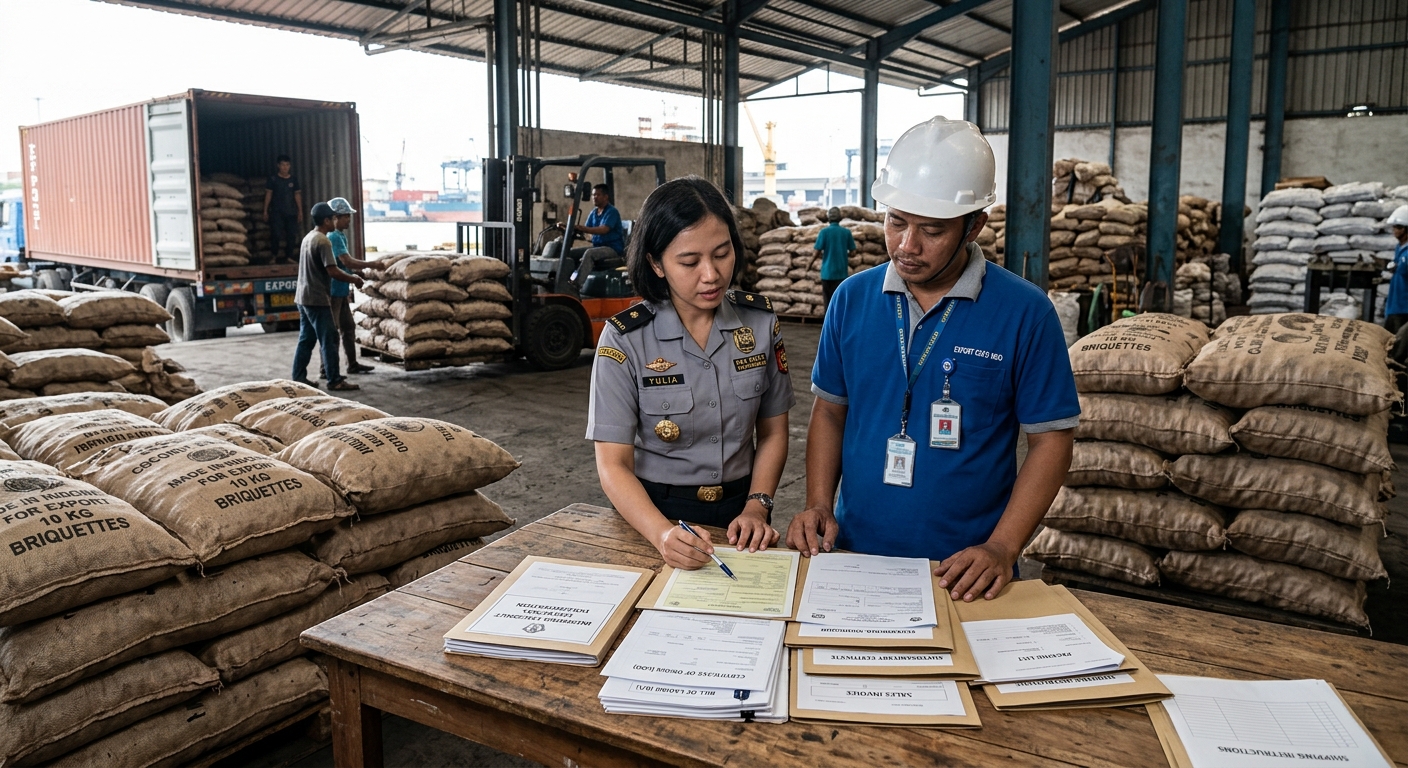
Introduction to Indonesia Coconut Charcoal Exports
Indonesia is recognized globally as one of the premier producers and exporters of high-quality coconut charcoal briquettes. The country's abundant coconut plantations and skilled manufacturing sector make it a hub for premium charcoal, highly sought after for shisha/hookah and barbecue applications. However, navigating the export process requires a deep understanding of the Indonesia coconut charcoal export documentation. This guide provides a comprehensive overview of the necessary paperwork, regulations, and best practices to ensure a smooth export process.
Understanding the Export Landscape
Exporting charcoal is not as simple as packing boxes and shipping them overseas. Coconut charcoal is classified as a potentially hazardous material under international shipping regulations, specifically the International Maritime Dangerous Goods (IMDG) Code. Therefore, strict adherence to documentation protocols is non-negotiable. Exporters must prove that their products are safe for transport, especially regarding the risk of spontaneous combustion.
For businesses looking to source large quantities, understanding these requirements is vital. If you are exploring bulk purchasing options, you might find The Ultimate Guide to Sourcing from a Bulk Hexagonal Charcoal Briquettes Factory incredibly helpful for streamlining your supply chain.
Essential Export Documentation
To successfully export coconut charcoal from Indonesia, several key documents must be prepared and submitted to the relevant authorities, shipping lines, and buyers. Below is a detailed breakdown of the mandatory documentation.
1. Commercial Invoice and Packing List
The Commercial Invoice is the foundational document of any international trade transaction. It details the agreement between the buyer and seller, including the product description, quantity, unit price, total value, and the agreed Incoterms. The Packing List accompanies the invoice and provides specific details about how the goods are packed, including the number of cartons, gross weight, net weight, and dimensions of the pallets or containers.
2. Bill of Lading (B/L)
The Bill of Lading is a legally binding document issued by the carrier (shipping line or freight forwarder) to the shipper. It serves as a receipt of goods, a contract of carriage, and a document of title. For charcoal exports, the B/L must accurately reflect the cargo description and adhere to the specific requirements of the destination country.
3. Certificate of Origin (CoO)
The Certificate of Origin proves that the coconut charcoal was manufactured in Indonesia. This document is crucial for the buyer, as it may determine the import duties and tariffs applied at the destination port. In Indonesia, the CoO is typically issued by the Ministry of Trade or the local Chamber of Commerce.
4. Material Safety Data Sheet (MSDS)
Given the nature of charcoal, the Material Safety Data Sheet (MSDS) is one of the most critical documents. The MSDS provides comprehensive information about the product's physical and chemical properties, potential hazards, handling instructions, and emergency response procedures. Shipping lines will scrutinize the MSDS to ensure the cargo complies with safety regulations.
5. Self-Heating Test Certificate (SHTC)
Under the IMDG Code, charcoal is generally classified under Class 4.2 (Substances liable to spontaneous combustion). To be exempt from this classification and shipped as non-hazardous cargo, the charcoal must pass a Self-Heating Test (specifically the N.4 test prescribed by the UN Manual of Tests and Criteria). An accredited laboratory must issue the Self-Heating Test Certificate, proving the charcoal does not spontaneously ignite under specific conditions.
6. Certificate of Analysis (CoA)
The Certificate of Analysis verifies the quality and specifications of the charcoal, such as moisture content, ash content, volatile matter, fixed carbon, and calorific value. Buyers rely heavily on the CoA to ensure the product meets their standards. Partnering with a reputable manufacturer is crucial to guarantee consistent quality. For more insights on selecting the right partner, read Choosing the Right B2B Coconut Shell Charcoal Manufacturer: A Comprehensive Guide.
7. Vanning Certificate
A Vanning Certificate (also known as a Container Loading Inspection Certificate) is issued by an independent surveyor. It confirms that the cargo was properly and securely loaded into the shipping container, mitigating risks during transit. Some shipping lines mandate this certificate for charcoal shipments.
8. Fumigation and Phytosanitary Certificates
If the charcoal is packed using wooden pallets or specific organic packaging materials, a Fumigation Certificate is required to prove that the wood has been treated to eliminate pests. A Phytosanitary Certificate, issued by the Indonesian Agricultural Quarantine Agency, may also be required depending on the destination country's agricultural import regulations.
The Role of Surveyor Companies
Independent surveyor companies (such as Sucofindo, SGS, or Carsurin in Indonesia) play a pivotal role in the charcoal export process. They conduct the necessary laboratory tests (like the Self-Heating Test and Analysis) and perform factory or port inspections. Engaging a reputable surveyor ensures that all technical documentation is internationally recognized and accepted by shipping lines and customs authorities.
Customs Clearance in Indonesia
Before the cargo can be loaded onto a vessel, it must clear Indonesian customs. The exporter or their appointed customs broker (PPJK) must submit an Export Declaration (Pemberitahuan Ekspor Barang or PEB) through the Indonesian customs' electronic system. Once the customs authorities verify the PEB and all supporting documents (Invoice, Packing List, SHTC, etc.), they issue an Export Approval (Nota Pelayanan Ekspor or NPE), allowing the container to enter the port.
Navigating Shipping Line Restrictions
Due to past incidents of charcoal container fires, many global shipping lines have strict policies regarding charcoal shipments. Some carriers completely ban charcoal, while others accept it only under stringent conditions. Exporters must work closely with experienced freight forwarders who understand which carriers accept coconut charcoal and the specific documentation each carrier demands. The submission of a valid SHTC and a thorough MSDS is almost always the minimum requirement for carrier approval.
Summary of the Export Flow
To summarize, the standard workflow for exporting coconut charcoal from Indonesia involves:
- Production & Quality Control: Manufacturing the charcoal to the buyer's specifications.
- Laboratory Testing: Sending samples to an accredited lab for SHTC and CoA.
- Documentation Preparation: Drafting the Commercial Invoice, Packing List, and MSDS.
- Booking Vessel: Securing space with a shipping line using the SHTC and MSDS.
- Container Loading: Stuffing the container and optionally obtaining a Vanning Certificate.
- Customs Declaration: Submitting the PEB and obtaining the NPE.
- Final Document Issuance: Obtaining the final Bill of Lading, Certificate of Origin, and any required Fumigation certificates.
Conclusion
Exporting coconut charcoal from Indonesia is a lucrative business, but it demands meticulous attention to regulatory and safety documentation. From the Commercial Invoice to the critical Self-Heating Test Certificate, every piece of paper plays a vital role in ensuring that the product reaches its destination safely and legally. By understanding and complying with the Indonesia coconut charcoal export documentation requirements, exporters and buyers can build robust, efficient, and compliant supply chains, ensuring the continued global success of Indonesia's premium charcoal industry.
Frequently Asked Questions (FAQ)
What is the most important document for exporting charcoal?
The Self-Heating Test Certificate (SHTC) is arguably the most critical document. It proves that the charcoal is not liable to spontaneous combustion, allowing it to be shipped as non-hazardous cargo under the IMDG Code. Without it, most shipping lines will refuse the cargo.
Who issues the Certificate of Origin in Indonesia?
The Certificate of Origin (CoO) is typically issued by the Indonesian Ministry of Trade (Kementerian Perdagangan) or the local Chamber of Commerce and Industry (KADIN). It requires the submission of the invoice, packing list, and export declaration (PEB).
Do I always need a Phytosanitary Certificate for charcoal?
Not always for the charcoal itself, as it is a highly processed, carbonized product. However, if you are using raw wooden pallets for packing, you will likely need a Fumigation Certificate or a Phytosanitary Certificate depending on the import regulations of the destination country to prove the wood is pest-free.
Can any shipping line transport coconut charcoal?
No. Due to safety concerns, many shipping lines have embargoes or strict restrictions on carrying charcoal. You must work with specialized freight forwarders who know which carriers accept charcoal and what specific documentation (like a recent SHTC and MSDS) those carriers require.